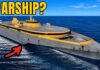

The Navy says the 100,000-ton USS John F. Kennedy is 99% complete, but real combat duty waits until after more testing, training, and a 2027 delivery window.
Story Highlights
- The Navy took preliminary acceptance of USS John F. Kennedy after August sea trials.
- Formal delivery is planned for spring 2027, not immediate frontline service.
- The milestone lets the crew train at sea while final shipyard work continues.
- Past Ford-class technology delays explain the Navy’s slower, step-by-step rollout.
Preliminary Acceptance Marks Progress, Not Readiness
The U.S. Navy took preliminary acceptance of the future USS John F. Kennedy (CVN-79) after the ship completed Acceptance Trials in mid-August. The Navy says the carrier is about 99 percent complete. Preliminary acceptance allows at-sea testing and crew training while the shipbuilder finishes final systems checks before formal delivery in spring 2027. This step signals progress, but it is not the same as delivery, commissioning, or combat readiness.
Acceptance Trials wrapped up after four days at sea off the Atlantic Coast. Trial teams checked propulsion, navigation, communications, and core flight deck systems. Passing Acceptance Trials cleared the path to preliminary acceptance. That made it possible for the Navy to move the ship out of the yard environment and begin building everyday operating skills, even as the yard finishes remaining work and certifications tied to complex launch and recovery gear.
Delivery Timeline Extends to Spring 2027
The Navy and shipbuilder now target formal delivery in spring 2027. Trade publications and defense outlets have echoed that timeline, noting the schedule shift from earlier goals. The Navy links the extended timeline to finishing tests and certifications on advanced recovery systems and elevators that move weapons through the ship. The service wants those systems proven before delivery to avoid the painful learning curve seen on the lead ship, USS Gerald R. Ford.
Delivery is only one step. After delivery, the ship must complete additional trials, crew certification, and an operational test period before routine deployment. That path takes time. It helps explain why a “99 percent complete” hull is not ready to fight today. The Navy is choosing to build up crew proficiency at sea while engineers finish fixes and certifications, aiming to reduce risk later in the ship’s life.
Why Words Matter: Accepted vs. Delivered vs. Combat-Ready
Defense programs use milestone terms that can sound alike but mean different things. “Preliminary acceptance” lets the Navy use the ship for training, but the shipbuilder still owns key tasks. “Delivery” transfers full custody to the Navy. “Commissioning” makes the ship part of the active fleet. “Combat-ready” follows successful tests and certifications of the crew and the ship’s systems. Mixing these terms can mislead the public about what the ship can do on any given day.
On October 13, the U.S. Navy (@USNavy) landed an F-35C aboard the future USS John F. Kennedy (CVN-79), the second Ford-class carrier, which hasn't been delivered yet. The Navy said it was the first F-35C landing on a Ford-class carrier. A Navy photo caption dates the catapult… pic.twitter.com/spTYmwEqvQ
— fox hsiao (@pirrer) October 31, 2026
History shows why the Navy is careful here. The Government Accountability Office has documented how the Ford-class launched with immature technology, such as the electromagnetic aircraft launch system, the advanced arresting gear, and weapons elevators. Those shortfalls delayed capability on the lead ship and raised costs. The Kennedy schedule reflects efforts to verify these systems earlier and more fully before declaring the ship ready for full service.
What This Means for Taxpayers and Strategy
Taxpayers and service members on both sides of the political aisle share a core concern: big promises, slow delivery, and high costs. The Kennedy’s measured rollout tries to avoid past mistakes by proving complex gear before handoff. That can feel slow, but it aims to save time and money later. For strategy, the Navy gains a training platform now and a more reliable carrier later, which matters as global missions stack up and fleets age.
Sources:
19fortyfive.com, paemaritime.navy.mil, en.wikipedia.org, gao.gov
© dailyanswer.org 2026. All rights reserved.