(DailyAnswer.org) – Nearly thirty people dropped in a Baltimore neighborhood within minutes, as America’s failed drug and border policies delivered another tragic spectacle, shocking, but at this point, entirely predictable.
At a Glance
- At least 27 people hospitalized after a mass drug overdose at Baltimore’s Penn–North intersection, with several in critical condition.
- Emergency responders overwhelmed, city transit shut down, and public safety pushed to the brink yet again.
- Officials suspect the culprit is a new street drug laced with toxic chemicals, source still under investigation.
- Baltimore’s leaders call for more intervention, but the root causes, open borders and soft-on-crime policies, remain untouched.
A City Paralyzed by a Mass Overdose, Symptoms of a Bigger Disease
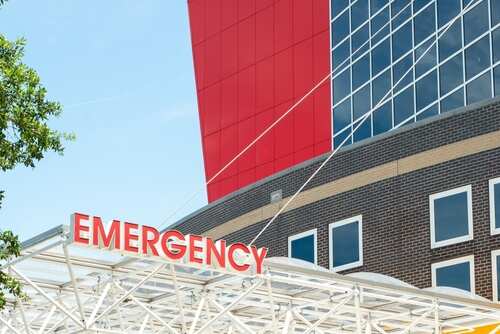
Thursday morning, Baltimore’s Penn–North neighborhood was paralyzed as emergency calls poured in: bodies on sidewalks, subway platforms, and alleys. In less than an hour, 27 people were rushed to local hospitals, five to seven clinging to life in critical condition. The notorious intersection of Pennsylvania and North Avenues, already infamous for open-air drug markets, became the epicenter of a mass casualty event. Streets were closed, the subway was shut down, and first responders scrambled to save lives in a scene that’s become all too familiar in cities failing to get a grip on the drug crisis.
Officials described the situation as a “level one mass casualty event.” Outfitted with Narcan, emergency crews blanketed the area while city leaders rushed to the microphones. Mayor Brandon Scott declared a stabilization effort, and Fire Chief Wallace detailed the emergency response. Yet behind the press conferences and prepared statements, Baltimore residents were left to ask: how on earth did we get here? And why does it keep happening?
‘New Jack City’: The Dangerous Game of Russian Roulette on Baltimore Streets
Authorities are still scrambling to identify the exact substance behind the carnage. Community reports point to a street drug called “New Jack City,” possibly laced with Freon or antifreeze, chemicals so toxic they have no business near a human bloodstream. This is not the first time Baltimore’s been rocked by mass overdoses. In recent years, fentanyl and other synthetic opioids have swept through like a plague, with public health warnings going unheeded and law enforcement hamstrung by political caution tape.
Victims and community informants described the drug as a “different color, different smell.” As police investigate the source and distribution networks, the neighborhood reels from trauma and fear. Businesses lost a day’s revenue, city transit ground to a halt, and parents were left wondering if their kids will ever be safe walking the streets. The only thing certain is that the costs, financial, emotional, and societal, are mounting, while real solutions remain elusive.
Political Responses, Sound and Fury, Signifying Nothing?
Mayor Scott, Governor Wes Moore, and State’s Attorney Ivan Bates offered variations on the same theme: thoughts, prayers, and calls for more resources. The Baltimore City Fire Department deployed 13 medic units, the Health Department launched outreach, and the Police Department promised swift justice for anyone caught distributing the tainted drugs. Yet for all the political posturing, the underlying issues persist. Baltimore’s opioid crisis festers, fueled by a national drug pipeline that’s all but impossible to secure under current border and criminal justice policies.
Healthcare providers are overwhelmed, emergency services stretched thin, and taxpayers left footing the bill for a crisis that shows no sign of ending. This is the reality when policies prioritize “harm reduction” over real enforcement and deterrence. The result? More overdoses, more chaos, and less accountability at every level of government. It’s a vicious cycle: rinse, repeat, and watch another crisis unfold on the evening news.
The Broader Picture, Broken Borders, Broken Promises
Baltimore is hardly alone. Cities across America are grappling with the fallout from an opioid epidemic exacerbated by porous borders and lenient prosecution. While officials debate the merits of expanded treatment versus expanded enforcement, neighborhoods like Penn–North pay the price. The push for decriminalization and “safe use” zones may sound compassionate in theory, but in practice, it’s a fast track to tragedy. Without real action, stronger border security, tougher sentencing, and an end to policies that reward lawlessness, the cycle will continue.
Meanwhile, families are left to pick up the pieces, and communities see their faith in local government erode. The short-term fixes, more Narcan, more emergency units, more outreach, do nothing to address the flood of deadly drugs pouring into our cities. Until leaders are willing to confront the uncomfortable truth about what’s fueling these mass casualty events, Baltimore’s tragedy will become America’s norm.
Copyright 2025, DailyAnswer.org