
(DailyAnswer.org) – When two presidents draw a line in the sand for a nuclear superpower, the fate of a continent, and perhaps the world economy, can hinge on a single phone call.
Story Snapshot
- Zelenskyy and Trump coordinated a new wave of sanctions and finalized a major U.S.-Ukraine drone manufacturing deal.
- Trump set a public deadline for Putin to agree to peace or face harsher U.S. sanctions.
- European allies pledged over $1 billion for U.S. weapons to Ukraine, amplifying the pressure on Russia.
- The drone deal could transform Ukraine’s defense industry and battlefield capabilities.
Presidents at the Front Line of Diplomacy
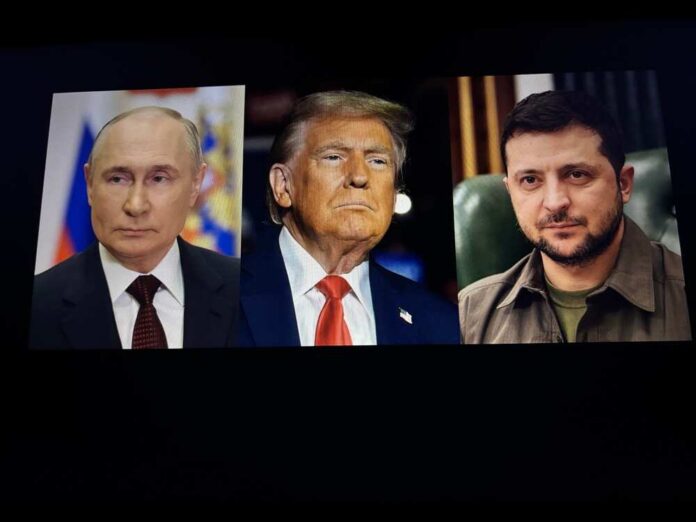
August 5, 2025, marked a pivotal moment in the Russia-Ukraine war: Ukrainian President Volodymyr Zelenskyy and U.S. President Donald Trump spoke by phone, confirming what both men soon blasted across the airwaves. The conversation was not mere diplomatic maintenance, it was a full-court press against Russia, with sanctions and weapons deals on the table. Trump, never one for subtlety, issued an explicit deadline to Vladimir Putin: make peace by August 8 or face a new barrage of economic pain. The call’s urgency reflected not only the latest wave of Russian attacks on Ukrainian cities but also the cumulative exhaustion of a world watching the conflict grind on.
The drone manufacturing agreement, finalized during this call, stands out as one of the most consequential U.S.-Ukraine defense deals to date. Ukrainian officials wasted no time, with a draft agreement already prepared and ready for signatures. For Ukraine, still reeling from relentless missile strikes, the prospect of homegrown drones is a leap toward self-reliance, a step away from the drip feed of foreign hardware and toward a future where Kyiv can hold its own in the skies. Trump’s linkage of energy prices to the Kremlin’s war effort underscored the multifaceted strategy: squeeze Moscow’s purse, starve its armies, and force Putin to the negotiating table.
The Stakes: Sanctions, Drones, and Deadlines
This diplomatic maneuver unfolded against a sobering backdrop: Russian offensives battering Ukrainian cities, Western governments growing weary, and the specter of energy market chaos lurking behind every policy announcement. Trump’s deadline for Putin was not merely rhetorical. American and European sanctions have already gnawed at the Russian economy, but the threat of even harsher measures, especially if paired with diplomatic isolation and falling energy revenues, may hit closer to home for the Kremlin than any battlefield setback. European allies, meanwhile, put their money where their mouths are, collectively committing over $1 billion for U.S. weaponry destined for Ukraine’s front lines.
For American conservatives and realists alike, the underlying logic is as clear as it is pragmatic: peace through strength, deterrence through economic leverage, and a refusal to let Moscow dictate the pace of the conflict. Zelenskyy, for his part, has mastered the art of rallying support, expressing both gratitude and urgency as Ukraine’s fate hangs in the balance. The new drone deal is more than hardware; it’s a signal that the West is investing in Ukraine’s long-term defense, not just its immediate survival. As Russian attacks intensify and civilian casualties mount, the moral and strategic case for unflinching support grows harder to ignore.
Power Plays and Global Repercussions
The reverberations of this high-stakes call extend far beyond the battlefields of Eastern Europe. For Ukraine, the promise of domestic drone production is a tangible step toward modernizing its military and building a sustainable defense industry. For Russia, the prospect of deeper sanctions, especially those targeting oil and gas revenues, raises the specter of economic contraction, domestic unrest, and a narrowing path to victory. European capitals, wary of energy shocks and refugee flows, are betting that a show of unity will force Moscow’s hand before winter bites again.
Industry analysts believe the drone deal could tip the tactical balance, allowing Ukrainian forces to counter Russian advances with greater agility and precision. Sanctions experts are equally blunt: the cumulative effect of Western measures, particularly if energy prices fall and secondary buyers like India face tariffs, could erode Russia’s war chest faster than any tank battle. Yet, as history shows, pressure can cut both ways, some fear that deadlines and ultimatums might harden positions, making compromise more elusive. Still, with both presidents personally invested and the stakes this high, few doubt that August will be a month of reckoning.
Verification, Consensus, and What Comes Next
Multiple independent sources, from the official Ukrainian presidency to major international news agencies, corroborate the key facts of this story: the timing of the call, the focus on sanctions and drones, and the unprecedented public deadline for peace. No major contradictions cloud the reporting, and both sides have every incentive to portray the talks as not just productive, but transformative. The coming days will reveal whether Putin blinks, the drone deal delivers, or the world’s attention span moves on, leaving Ukraine and its allies to face the consequences, for better or worse.
One thing is clear: when presidents make ultimatums with drones and sanctions, history doesn’t wait politely for its outcome. It barrels ahead, dragging everyone else with it.
Copyright 2025, DailyAnswer.org