
(DailyAnswer.org) – Even with border crossings down sharply since the Biden-era surge, the fight over Trump’s 2026 State of the Union comes down to whether Americans can trust the biggest claims made from the nation’s highest podium.
Story Snapshot
- President Trump’s first SOTU of his second term drew aggressive live fact-checking focused on immigration, inflation, investment claims, healthcare, and Iran.
- Fact-checkers disputed the “zero illegal aliens admitted” line, while still acknowledging encounters are far lower than 2024’s levels.
- Economic claims produced a mixed picture: inflation has cooled, but energy prices have risen, undercutting “everything is cheaper” messaging.
- Large investment numbers and the “Great Healthcare Plan” were flagged as lacking clear documentation or operational details in available reporting.
What Trump Highlighted—and Why Fact-Checks Dominated Coverage
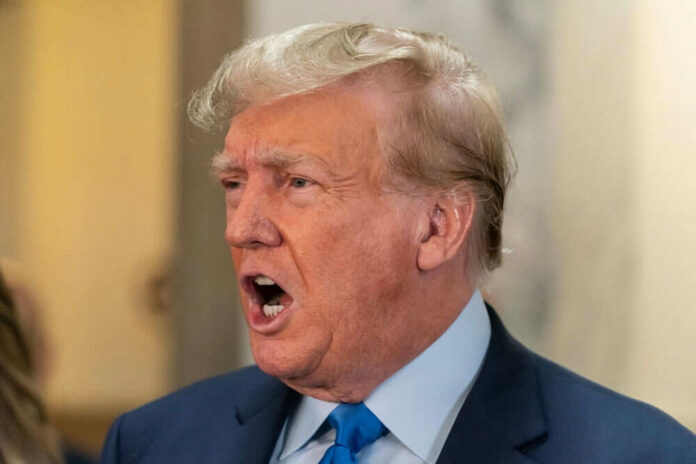
President Donald Trump delivered his first State of the Union address of his second term on February 24, 2026, aiming to showcase early second-term results in border enforcement, prices, investment, healthcare, and foreign policy. Major outlets ran live fact-check formats that focused less on applause lines and more on verifiable metrics and supporting documents. That approach produced a familiar pattern: clear wins on certain trends, paired with overstatements that became headline fuel.
Trump’s supporters see a country trying to recover from years of inflation, cultural politics, and chaotic immigration policy. Fact-checkers focused on precision, repeatedly separating “directionally true” trends from absolute statements. That matters because modern SOTUs are not just speeches—they function as a policy sales pitch. When numbers are stretched, critics gain leverage, and genuine progress can get buried under debates about wording, definitions, and missing evidence.
Border Claims: Lower Crossings Are Real, but “Zero” Isn’t
Border enforcement stood at the center of the address, and the data trend cited in reporting is significant: migrant encounters fell dramatically from 2024’s high levels to fewer than 28,000 encounters in 2025. Fact-check coverage, however, rejected the claim that “zero illegal aliens” were admitted. Even with tighter enforcement, the reporting emphasized that crossings are not literally zero, and analysts note it is impossible to know how many enter undetected.
For constitutional-minded voters, the practical point is that enforcement policy choices clearly move the numbers. The unresolved issue is transparency: the public can track encounters and removals, but no administration can provide perfect certainty about “unnoticed” entries. Fact-checkers used that limitation to challenge absolute rhetoric. Conservatives may still credit the broad reversal from Biden-era levels, while expecting leaders to keep claims tied to what agencies can actually measure.
Inflation and Energy: Cooling Headline Numbers, Uneven Household Reality
Economic messaging in the address leaned on inflation coming down since Trump’s inauguration, with reporting citing a decline from roughly 3% to about 2.4%. Fact-checkers treated “lowest in five years” style language as mixed, because the timeline and comparison points matter. Coverage also highlighted that falling inflation does not mean prices fall back to where they were; it often means prices are rising more slowly than before.
Energy costs were a key complication in the fact-check reporting. While inflation cooled overall, energy prices were reported up, including a cited 6.3% increase, with coverage pointing to rising demand tied to AI data centers. For families already battered by years of higher groceries, insurance, and utilities, that distinction is not academic. The speech’s economic optimism collided with the daily experience that some major bills remain stubborn—or are still climbing.
Big Investment Numbers and a Vague Healthcare Pitch Raised Verification Problems
Fact-checkers also pressed on huge investment claims, including numbers cited in coverage such as $9.6 trillion in investments and a separate, larger “commitments” figure that reporting described as unsubstantiated. The White House defense, as summarized in coverage, relied on categories like “materialized” or “committed,” while critics argued the totals included items that were not straightforward investments, including broad “economic exchanges.” Without clear documentation, the largest numbers remain difficult to evaluate.
Healthcare produced similar verification friction. Reporting described a “Great Healthcare Plan” unveiled in January 2026, with claims it could bypass insurers, but fact-check coverage emphasized missing specifics on funding, distribution, and how it would interact with existing law. That uncertainty landed as consumers faced disruption after ACA-related tax breaks expired, with reporting citing premium increases as high as 100% for some. Limited detail makes it harder for voters to judge winners, losers, and costs.
Iran and Tariffs: Tough Talk Meets Courts and Assessments
On foreign policy, the speech referenced U.S. strikes in June 2025 against three Iranian nuclear sites. Fact-check coverage described assessments indicating the program was damaged but not eliminated, challenging any framing that it had been fully “wiped out.” On trade, reporting also noted the Supreme Court struck down steep global tariffs in early 2026, a reminder that even popular promises can run into constitutional limits and judicial review that reshapes what a president can implement.
The broader takeaway from the live fact-check cycle is straightforward: policy direction and measurable trends can be positive while specific lines still miss the mark. For conservative voters who want border security, restrained spending, and less bureaucratic control over daily life, credibility is a force multiplier. If the administration wants lasting public support—and durable reforms through Congress and the courts—its strongest case will come from tight definitions, sourced numbers, and clear plans that can withstand scrutiny.
Sources:
Live Fact-Check: Donald Trump’s 2026 State of the Union Address
President Donald Trump speech today: Fact checking State of the Union SOTU 2026 address
Fact-checking Trump’s State of the Union address
Fact-checking Trump’s State of the Union address
State of the Union fact-check: PolitiFact Live
Copyright 2026, DailyAnswer.org