

(DailyAnswer.org) – In less than a minute, a single bus plunge exposed the raw nerve of Algeria’s transport crisis, and forced a nation to reckon with the price of inaction.
Story Snapshot
- At least 18 people killed, nine to 24 injured, after a bus skidded off a bridge into the Oued El Harrach river in Algiers.
- Civilians rushed to rescue victims before authorities arrived; emergency crews responded with 25 ambulances and 16 divers.
- President Tebboune declared a national day of mourning, signaling the scale of national shock.
- Incident spotlights Algeria’s longstanding public transport and infrastructure safety failures.
When Tragedy Strikes: The Bridge, The Plunge, The Aftermath
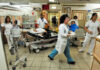
At 5:45 p.m. on August 15, 2025, everyday chaos on Algiers’ roads turned catastrophic. A passenger bus, packed with workers and families, veered off a bridge in the crowded Mohammadia/El Harrach district and crashed into the foul waters of the Oued El Harrach river. The force of impact ripped open the bus, trapping dozens inside. Nearby pedestrians didn’t hesitate: they leapt into polluted water, smashing windows, pulling strangers out, risking their lives for others. When emergency services, armed with 25 ambulances, 16 divers, and four boats, arrived, the grim tally had begun: 18 dead, at least nine injured, two in critical condition. The city’s ordinary rhythm was shattered, replaced by wails, sirens, and the sickening realization that this was no isolated freak event, it was a symptom of something deeper.
As the search lights swept the riverbanks that night, the scale of Algeria’s public safety deficit snapped into focus for the whole nation. The response was swift, too late to save many, but decisive in ritual. President Abdelmadjid Tebboune ordered flags at half-mast and a national day of mourning. Grief was official. Onlookers saw not just a tragedy, but a mirror: if a bus could plunge into a river in broad daylight, how many other cracks lay hidden in Algeria’s battered infrastructure and neglected transport systems?
Why Did This Happen? Dissecting the Anatomy of a Disaster
The official investigation is still grinding through its early days, but Algeria’s collective memory already knows the broad strokes. Bridges in Algiers, particularly in the dense, hurried Mohammadia/El Harrach corridor, have long been the subject of complaint, crumbling concrete, rusted safety rails, chronic congestion. The Oued El Harrach river, infamous for pollution and urban hazards, has been both a dumping ground and a hazard for years. On that Friday evening, chronic underinvestment collided with human error, faulty vehicles, or both. The bus operator’s maintenance records and the driver’s actions are now under scrutiny, but the real story is systemic: Algeria’s public transport sector is marred by lax regulation, poor vehicle upkeep, and a culture of resignation to risk. Analysts have warned for years that without rigorous audits, new investment, and a culture shift in safety enforcement, tragedies like this are not just possible, they’re inevitable.
Algeria’s road death tolls have stubbornly remained among the highest in North Africa, despite periodic government pledges and short-lived crackdowns. Past deadly crashes have faded from memory, but each one chips away at public trust. The Mohammadia/El Harrach disaster is different in its scale and the speed of public attention, but its roots are achingly familiar: infrastructure decay, regulatory complacency, and the fatalism that comes when warnings go unheeded.
The Human Cost: Grief, Anger, and a Demand for Change
For the families of the dead, the cost is unthinkable, lost parents, children, breadwinners. For survivors, trauma will linger, compounded by the knowledge that civic neglect played a role. The local community, already battered by economic hardship, now faces a new wound. But this tragedy is resonating far beyond Mohammadia/El Harrach. On talk shows, social media, and around kitchen tables, Algerians are asking pointed questions: Who is responsible? Why did nothing change after previous accidents? Will this be the moment that forces lasting reform, or just another day of tears and empty promises?
At Least 18 Dead, 9 Injured After Bus Skids Off Bridge and Plunges Into River https://t.co/Ab75XKOdmK
— People (@people) August 16, 2025
President Tebboune’s declaration of mourning is more than a gesture, it’s a recognition that public patience is running thin. The government’s next moves are under a microscope. Calls are mounting for an independent inquiry, compensation for victims, and a transparent overhaul of public transport oversight. The bus operator faces public fury and possible legal consequences. For civil defense and emergency services, the tragedy is a sobering reminder of their daily battles with outdated equipment and limited resources.
Systemic Failures in the Spotlight: Will This Time Be Different?
Policy reform in Algeria often follows public outcry, but progress is notoriously slow. This time, the stakes are higher. The Mohammadia/El Harrach plunge has exposed a web of neglect: inadequate bridge inspections, insufficient driver training, and a regulatory system that too often turns a blind eye. Industry experts, transport safety analysts, urban planners, and academics, are united in their diagnosis: Algeria must invest in modern infrastructure, enforce strict safety checks, and overhaul training for drivers and operators.
🚨🚨🚨
At Least 18 Dead, 9 Injured After Bus Skids Off Bridge and Plunges Into River
least 18 people died and nine were injured after a bus plunged into the Oued El Harrach river in Algiers, Algeria
Shortly After the August 15 crash……Algerian President Abdelmadjid Tebboune… pic.twitter.com/5JrUDoK4PJ
— Susie Pollick 🦌 𝕏. (@nadjiasusie) August 17, 2025
The question looms: Will this disaster finally galvanize systemic change, or will the cycle continue? Algerians are watching. For now, the bridge over the Oued El Harrach stands as a grim monument, a symbol of what happens when warnings are ignored and reform is forever postponed. The next chapter will be written in the government’s actions, the resilience of the public, and the willingness of a nation to confront its own vulnerabilities head-on.
Copyright 2025, DailyAnswer.org