

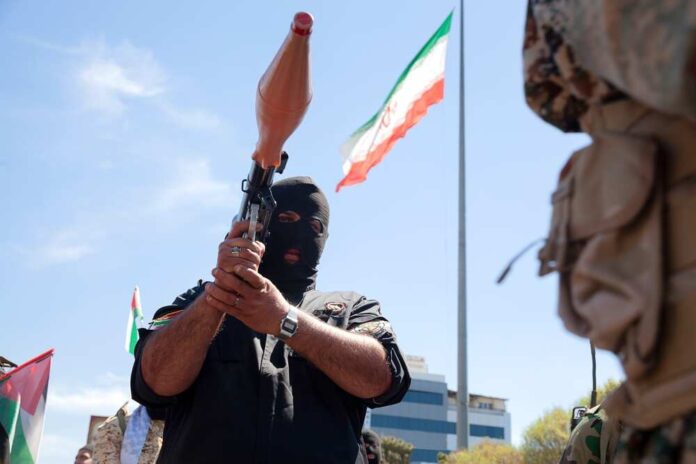
(DailyAnswer.org) – The U.S. faces an imminent terrorism threat as Iran vows “devastating retaliation” following American airstrikes that obliterated key nuclear facilities, according to a chilling new DHS bulletin.
Key Takeaways
- DHS issued a National Terrorism Advisory System Bulletin warning of heightened risks of both cyber and physical attacks from Iran through September 2025
- President Trump authorized “spectacular” military strikes against Iranian nuclear facilities on June 21, 2025, triggering threats of retaliation
- Iranian-backed “sleeper cells” within the U.S. may be activated if Iran’s leadership issues a religious ruling calling for violence
- Jewish communities, pro-Israel groups, and U.S. government/military interests face elevated threats from both state-sponsored actors and extremists
- Cybersecurity experts warn organizations to implement ransomware prevention protocols and watch for social engineering attacks
DHS Issues Urgent Terrorism Advisory Following Iranian Nuclear Strikes
The Department of Homeland Security has issued a stark warning about potential terrorist threats on American soil following President Trump’s decisive military action against Iran’s nuclear program. The National Terrorism Advisory System Bulletin, released on June 22, 2025, alerts Americans to a “heightened threat environment” after U.S. airstrikes destroyed multiple Iranian nuclear enrichment facilities. The bulletin will remain active until September 22, 2025, reflecting intelligence agencies’ assessment that the retaliatory threat will persist for months.
President Trump authorized what he described as “spectacular military success” against Iranian nuclear facilities on June 21, 2025. The precision strikes reportedly obliterated key enrichment sites that intelligence sources had confirmed were accelerating weapons-grade uranium production. The military action came after months of escalating tensions and Iran’s withdrawal from international nuclear monitoring protocols, leaving the administration with limited options to prevent Iran from obtaining nuclear weapons capability.
Iranian “Sleeper Cells” and Cyber Warfare Threats
Security experts are particularly concerned about potential “sleeper cells” within the United States that could be activated if Iranian leadership issues a religious ruling calling for retaliatory violence. The DHS bulletin explicitly warns that “the likelihood of violent extremists mobilizing to violence would increase if Iranian leadership issued a religious ruling calling for retaliatory violence.” This represents one of the most serious domestic terrorism threats since the September 11 attacks, with cells potentially targeting American infrastructure, government facilities, or civilian populations.
“The ongoing Iran conflict is causing a heightened threat environment in the US. Low-level cyber-attacks against US networks by pro-Iranian hacktivists are likely, and cyber actors affiliated with the Iranian government may conduct attacks against US networks,” states the advisory. Iranian cyber operations typically target poorly secured infrastructure and often aim for psychological impact through exaggerated claims of success, according to security experts familiar with their tactics.
Vulnerable Communities and Potential Targets
The bulletin specifically identifies several high-risk targets for potential Iranian retaliation. Jewish communities, pro-Israel groups, and individuals or entities associated with U.S. policy toward Iran face an elevated risk of becoming targets. Recent terrorist attacks motivated by anti-Semitic or anti-Israel sentiment could multiply as extremists view the military strikes as justification for violence. U.S. government and military interests both domestically and abroad are also considered prime targets for Iranian-backed operatives.
John Hultquist, Chief Analyst at Mandiant Intelligence, advises organizations to adopt heightened security measures immediately. “Organizations should be extra vigilant and follow ransomware-prevention best practices. They should also be wary of social engineering schemes targeting individuals linked to Iran policy,” Hultquist warned. His comments reflect the cybersecurity community’s assessment that Iran will likely deploy both sophisticated state-sponsored attacks and encourage less sophisticated but potentially disruptive hacktivist operations.
Historical Context and Strategic Implications
Iran has a documented history of targeting U.S. officials, critics, and interests both through direct action and proxy forces. The current situation represents a significant escalation following years of tensions over Iran’s nuclear ambitions. The Trump administration’s decision to conduct direct military strikes against nuclear facilities marks a dramatic shift from the economic sanctions and diplomatic pressure that characterized previous approaches to containing Iran’s nuclear program.
“This is not a time for partisan politics but for national unity in the face of potential threats to our homeland. The strikes were necessary to prevent Iran from obtaining nuclear weapons that would threaten not just America but our allies throughout the region,” said Senator James Lankford, member of the Senate Intelligence Committee.
The bulletin comes at a time when domestic security agencies are already stretched thin monitoring multiple threat vectors. Critics of the administration argue that the military strikes, while potentially necessary from a national security perspective, have created additional homeland security challenges without adequate preparation or resource allocation. Supporters counter that allowing Iran to complete its nuclear weapons program would have created far greater security risks in the long term.
Copyright 2025, DailyAnswer.org