

(DailyAnswer.org) – A new policy threatens the traditional military hierarchy, sparking discussions on defense integrity.
Story Overview
- Significant changes in Pentagon leadership under Trump’s administration.
- Renaming of the Department of Defense to the Department of War.
- Firing of multiple top generals and a proposed command shake-up.
- Critics argue these moves politicize the military, while supporters claim it’s a necessary reform.
Trump Administration Restructures Pentagon Leadership
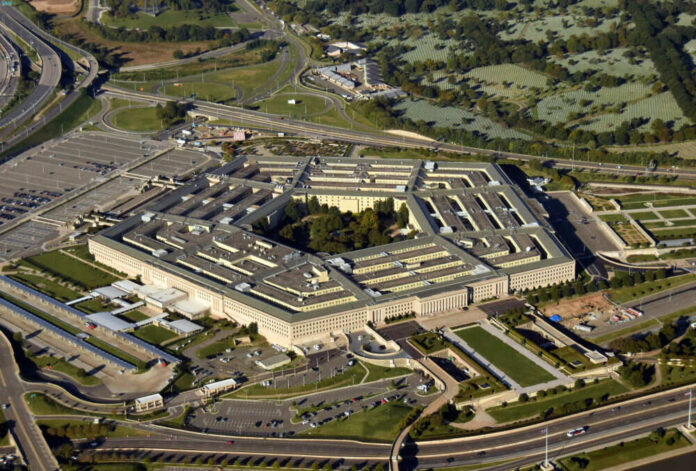
In 2025, President Trump, alongside Secretary of War Pete Hegseth, initiated a substantial overhaul of Pentagon leadership. This sweeping change includes the firing of top generals, such as the former Chairman of the Joint Chiefs and other senior officers. The administration justifies these moves as necessary to align military leadership with its strategic and ideological goals, focusing on lethality and efficiency. This restructuring has raised eyebrows among critics who see it as a politicization of military ranks.
The Trump administration’s decision to rename the Department of Defense to the Department of War marks a symbolic break from post-1947 traditions. This change is part of a broader initiative to realign the military’s focus towards being a more aggressive warfighting force rather than a diplomatic and peacekeeping entity. The administration argues this move will restore a sense of purpose and direction to the military, though it has sparked debate over the implications for U.S. defense policy and international alliances.
Significant Policy Changes Underway
Secretary of War Pete Hegseth announced ten directives aimed at reshaping military culture and standards. These include new physical fitness requirements, grooming standards, and the use of AI in oversight processes. The administration is also reducing mandatory training loads and revising Equal Opportunity reforms to empower commanders. These changes are intended to create a more agile and capable military force. However, they also reflect a significant shift in the Pentagon’s operational priorities and cultural values.
In addition to personnel changes, the Trump administration is considering a major command restructuring plan. This proposal could lead to the merging or elimination of certain combatant commands, aiming to streamline operations and reduce bureaucratic inefficiencies. While supporters believe this will enhance military responsiveness, there are concerns about the potential risks of centralizing power and the impact on strategic coherence.
Implications for Military and Defense Policy
The reshaping of Pentagon leadership and the renaming of the Department of Defense have far-reaching implications for U.S. military operations and defense policy. These changes signal a shift towards a more centralized and ideologically aligned military structure. While supporters argue that this will restore military effectiveness and integrity, critics warn about the dangers of eroding the traditional apolitical nature of military service. The ongoing debate highlights the tension between maintaining a strong national defense and preserving democratic civilian oversight of the military.
Copyright 2025, DailyAnswer.org