
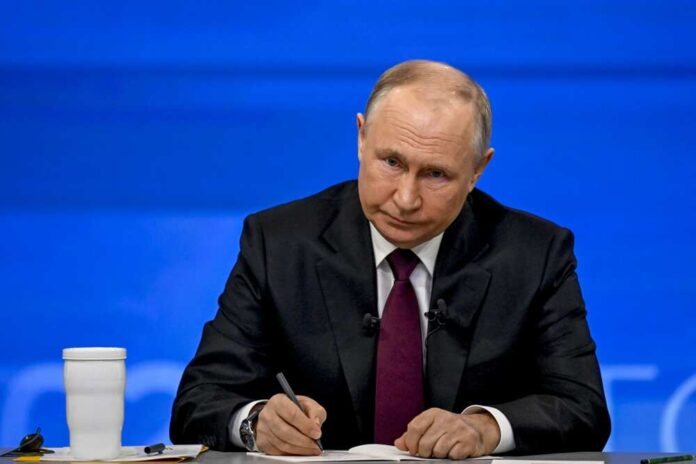
(DailyAnswer.org) – Vladimir Putin’s private push for a “zero enrichment” nuclear deal with Iran has left Tehran fuming and the diplomatic world guessing: is Russia finally done playing both sides, or is this just another move in a never-ending game of geopolitical poker?
At a Glance
- Putin has reportedly urged Iran to accept a nuclear deal that bans all uranium enrichment, a sharp reversal from Russia’s previous public stance.
- Iran’s leaders have categorically rejected any deal that strips them of enrichment rights, calling it a matter of national sovereignty and pride.
- U.S. President Trump and Israeli officials have insisted that zero enrichment is non-negotiable for any new deal.
- Russia’s shifting position undermines its credibility as a mediator and adds new complications to already stalled negotiations.
Putin’s Sudden Pivot: From Enabler to Enforcer
For years, Russia played the role of Iran’s diplomatic shield, loudly defending Tehran’s “right” to enrich uranium and thumbing its nose at Western pressure. That all changed this summer, when Putin, after a brutal 12-day war between Israel and Iran, quietly told both President Trump and Iran’s leadership that it was time for Tehran to accept a deal with zero enrichment. The Kremlin’s about-face was reportedly communicated in calls with Trump and French President Macron, with Putin pitching Russia as the helpful broker who could whisk away Iran’s enriched uranium stockpiles and supply reactor fuel for peaceful purposes only.
The move has stunned seasoned diplomats and enraged Iran’s hardliners. Iranian Foreign Minister Abbas Araghchi didn’t mince words: “We will not have any agreement in which enrichment is not included.” For them, enrichment isn’t just a technical detail, it’s a matter of sovereignty, pride, and a red line that the West, Israel, and now apparently Russia, can’t erase with a phone call.
Iran Digs In, Trump and Israel Hold Firm
Iran’s leaders wasted no time blasting the reports, with state media and officials declaring that Russia’s support for their nuclear “rights” remains unchanged. But behind closed doors, European diplomats and Israeli officials confirm Putin’s new stance: zero enrichment, period. Meanwhile, President Trump, fresh off his second inauguration and eager to show the world that American resolve hasn’t gone soft, has made it clear that any deal with Iran must include a ban on uranium enrichment, no exceptions, no loopholes. Israel, for its part, is taking no chances, having just conducted a series of devastating strikes on Iranian nuclear facilities that brought negotiations to a screeching halt.
With talks stalled and alliances in flux, the region teeters on the edge of further escalation. Iran refuses to budge, the U.S. and Israel refuse to compromise, and Russia’s shifting loyalties have left everyone questioning Moscow’s reliability as a so-called “honest broker.”
Russia’s Double Game: Credibility Unraveling
Putin’s private message to Tehran is a remarkable reversal, considering Russia’s years of public opposition to any limits on Iran’s enrichment. But the Kremlin’s motives aren’t hard to decipher: after the chaos of the Israel-Iran conflict and mounting pressure from both Washington and Jerusalem, Moscow is desperate to avoid a nuclear arms race on its southern doorstep. Yet, by flipping sides, Russia risks burning bridges in Tehran and undermining its own role as a mediator in the region.
Iranian officials have publicly denied any such shift, accusing Western and Israeli sources of fabricating the story to sow discord. But multiple independent reports from European and Israeli diplomats support the claim that Putin is privately urging a zero enrichment deal, even as he maintains a façade of support for Iran’s “rights” in public. The resulting confusion has left negotiations paralyzed, Iran’s economy under continued sanctions, and the broader Middle East more volatile than ever.
Global Implications: Stalemate, Insecurity, and the Erosion of Trust
The immediate effect of Putin’s “zero enrichment” gambit has been to harden positions on all sides. Iran is refusing to even consider a deal that doesn’t include enrichment; the U.S. and Israel are refusing to settle for anything less than total capitulation from Tehran. Russia’s credibility as a mediator has taken a hit, and its ability to play both sides against the middle may finally be catching up with it.
The longer this standoff drags on, the greater the risk of another regional war, one that could send oil prices soaring and trigger a new nuclear arms race in the Middle East. The collapse of negotiations also threatens to further undermine the global nonproliferation regime, inviting other rogue actors to test the limits of international resolve. As for the average Iranian, more sanctions and more saber-rattling mean only deeper economic pain and growing frustration at a world order that seems determined to treat their country as a perpetual pariah.
Copyright 2025, DailyAnswer.org