
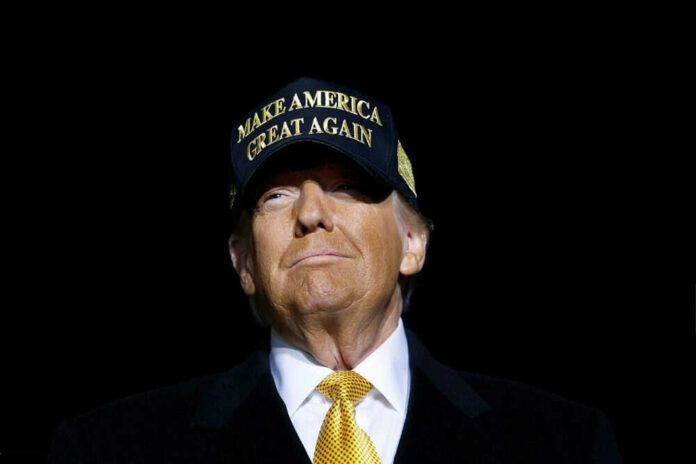
(DailyAnswer.org) – Trump’s signature can send AI stocks into orbit, and in July 2025, his “America’s AI Action Plan” did exactly that, shaking markets, rewriting tech policy, and stoking debate about the future of innovation, bias, and American power.
Story Snapshot
- Trump’s AI strategy and executive orders instantly moved technology and financial markets.
- The federal government now mandates “ideological neutrality” in AI systems for procurement.
- Deregulation and pro-innovation policies have prompted industry realignment and investor enthusiasm.
- The U.S. stakes its claim for global AI leadership, igniting debate on ethics, bias, and international competition.
Trump’s AI Action Plan: Market Jolt and Policy Shock
On July 23, 2025, President Donald Trump unveiled the “Winning the AI Race: America’s AI Action Plan,” accompanied by three new executive orders. Within hours, technology and infrastructure stocks surged as investors scrambled to reposition portfolios. Trump’s move wasn’t mere symbolism, the new directives required federal agencies to overhaul procurement, demanding “ideological neutrality” in government AI tools. Observers noted the immediate impact: the tech sector gained billions in market capitalization, and industry leaders raced to align products with Washington’s new priorities.
The plan’s deregulatory thrust marked a sharp departure from previous administrations. Federal agencies began revising procurement guidelines, including NIST’s AI Risk Management Framework. The White House Office of Science and Technology Policy led the charge, spelling out mandates for agency heads to reduce compliance barriers and accelerate R&D. Major law firms and policy think tanks rapidly issued guidance, confirming that Trump’s executive orders were not just rhetorical flourishes but binding directives with teeth. The private sector responded with a flurry of announcements, touting “neutral” AI platforms and seeking federal contracts.
Ideological Neutrality: Innovation vs. Ethics
Trump’s insistence on “ideological neutrality” in AI procurement sparked immediate controversy. Supporters, including many conservative policy analysts, argued this provision would combat perceived “woke” bias in government technology. Critics, however, worried that the mandate might block necessary bias mitigation, undermining efforts to address discrimination in AI systems. Legal experts emphasized the unprecedented scope of the order and cautioned that implementation could invite litigation and regulatory confusion. Scholars at Stanford and Brookings weighed in, warning that politicizing AI ethics frameworks could fracture international standards and complicate global cooperation.
Industry leaders welcomed the reduced regulatory burdens, anticipating easier pathways to federal contracts and faster commercialization. However, global competitors in China and the EU began reassessing their own AI strategies, sensing a shift in U.S. priorities. The ideological neutrality requirement became a lightning rod, galvanizing debate within civil society and academia. While some hailed the move as restoring American competitiveness, others warned of ethical erosion and potential isolation from global standards-setting bodies.
Economic and Geopolitical Fallout: America’s Bid for AI Supremacy
The immediate economic effects were unmistakable. AI, data center, and infrastructure stocks soared; venture funding spiked as investors raced to capitalize on relaxed regulations and new federal procurement opportunities. Federal agencies scrambled to implement the new guidelines, launching reviews of existing contracts and compliance protocols. The tech workforce began reallocating resources, with talent and capital flowing toward projects likely to meet the “neutrality” mandate.
Geopolitically, Trump’s AI Action Plan signaled a renewed American bid for global leadership. The administration’s “Build Baby Build!” mantra and calls for “global AI dominance” echoed through industry conferences and press briefings. International actors, particularly in Beijing and Brussels, responded with skepticism and caution, some hinting at retaliatory policy shifts or alliances. The U.S. now faces a more fragmented global landscape, with standards and alliances shifting in response to Washington’s assertive stance.
Unresolved Questions: Common Sense, Conservative Values, and the Road Ahead
Legal, academic, and industry experts agree: Trump’s AI gambit has changed the rules of engagement. But open questions remain about the practical effects of “ideological neutrality,” the balance between innovation and ethics, and the long-term impact on global cooperation. While the pro-innovation, deregulatory approach aligns with conservative values and common sense economic priorities, critics caution that unchecked momentum could create risks for civil liberties and international stability.
The markets have spoken, Trump’s influence is undeniable. Yet the story is far from over. As federal agencies move to operationalize the orders and industry leaders recalibrate strategies, the world watches to see whether America’s AI Action Plan will deliver on its promise of technological supremacy or trigger new waves of contention and competition. The coming months will reveal whether Trump’s latest market-moving act is a catalyst for enduring progress or a flashpoint for deeper disputes.
Copyright 2025, DailyAnswer.org