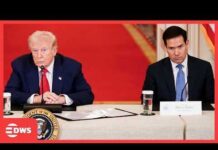

(DailyAnswer.org) – After President Trump fired Attorney General Pam Bondi, Washington is bracing for another round of Cabinet turbulence that could reshape immigration enforcement, labor oversight, and the administration’s midterm messaging.
Quick Take
- President Trump removed Attorney General Pam Bondi on April 2, 2026, and reports now claim he is weighing additional Cabinet changes.
- Commerce Secretary Howard Lutnick and Labor Secretary Lori Chavez-DeRemer are the two names most frequently mentioned in post-Bondi speculation, though the White House denies they are being targeted.
- Bondi’s firing has been linked in reporting to internal frustration over the handling of Epstein-related files, a politically sensitive issue for voters demanding accountability.
- Separate reporting points to pressure on DHS earlier this year and an Inspector General probe at Labor, adding to concerns about disruption inside key agencies.
Bondi’s removal puts DOJ leadership and accountability back in the spotlight
President Trump announced Pam Bondi’s departure on April 2, following days of intense reporting about friction inside the administration. Multiple outlets tied the frustration to DOJ handling of Epstein-related files, an issue that has repeatedly fueled public distrust in federal institutions. Trump publicly praised Bondi as she exited, but the timing still signaled a hard break. With DOJ now in transition, law enforcement priorities and pending investigations face immediate leadership uncertainty.
Reports also indicate Bondi met with Trump in the Oval Office the night before the firing and that the decision landed during a period when the White House is juggling foreign-policy pressure and domestic political stakes. That combination matters because the Justice Department touches everything from crime policy to federal civil enforcement. For constitutional conservatives who want equal justice under law, abrupt turnover can raise questions about consistency, transparency, and whether the bureaucracy will exploit confusion.
Two more Cabinet names emerge, but the White House disputes the rumors
In the wake of Bondi’s ouster, reporting has circulated that Commerce Secretary Howard Lutnick and Labor Secretary Lori Chavez-DeRemer could be next. The White House has pushed back, saying it fully supports the Cabinet and describing the team as highly capable. That denial directly conflicts with accounts citing unnamed insiders describing a president angry enough to “move people.” For voters weary of anonymous-leak politics, the split underscores how information wars can drive narratives even without official action.
The uncertainty is amplified by the reality that Commerce and Labor are not symbolic departments; they affect growth, regulation, and the cost of doing business. When leadership appears unstable, businesses hesitate, agency staff slow-walk decisions, and the public loses a clear line of accountability. For conservatives focused on limited government that actually functions, the best outcome is clarity—either firm public backing for officials or an orderly transition with a defined mission and lawful oversight.
Labor Department scrutiny adds pressure as midterm politics tighten
Labor Secretary Chavez-DeRemer has faced added attention due to reporting about an Inspector General probe involving personal-conduct allegations and internal resignations. While allegations remain distinct from proven findings, the existence of an IG process can become politically consuming. In a midterm year, opposition messaging often turns internal reviews into broad attacks on the entire administration. The administration’s challenge is separating personnel drama from policy delivery—especially for working Americans watching paychecks shrink under inflationary pressures.
Turnover echoes Trump’s first term, but second-term stakes are different
Analysts have long tracked high turnover in Trump’s first term, and current reporting suggests a familiar pattern of fast changes when performance and loyalty are questioned. The difference in 2026 is that voters are evaluating results after multiple years of policy whiplash from prior administrations—on energy prices, border enforcement, and federal spending. A shakeup can be a management reset, but repeated upheaval can also hand leverage to permanent bureaucracy that resists elected priorities.
What happens next: confirmation, denial, and the cost of governing by rumor
As of the latest reporting, no additional firings beyond Bondi and earlier DHS leadership changes have been officially announced. Some coverage has floated possible replacements and additional names under pressure, while prediction-market chatter has fueled a constant “who’s next” cycle. Conservatives frustrated by government overreach should also be frustrated by government drift: when leadership questions linger, agencies stall, and unelected actors often gain room to maneuver outside public scrutiny.
The White House can reduce that drift by quickly naming stable leadership at DOJ and drawing clear lines on Cabinet status—either reaffirming confidence or executing changes decisively. With slim congressional margins and an approaching midterm test, the administration’s credibility will hinge less on palace intrigue and more on measurable results: border control that actually enforces the law, a regulatory posture that lowers costs, and a Justice Department that rebuilds trust through transparency and consistent application of the law.
Sources:
Trump weighs firing more Cabinet members after Bondi ousting, report claims
Trump cabinet shakeup expands after Noem exit, Bondi firing: Who’s under pressure next
Who has Trump fired? The high-ranking officials replaced in the president’s second term
Tracking turnover in the Trump administration
List of dismissals and resignations in the first Trump administration
Copyright 2026, DailyAnswer.org