
President Trump used a high-profile stage to push renaming the Strait of Hormuz as “Trump Strait” and to float calling New Mexico “New America,” turning map labels into a fight over power and identity.
Story Snapshot
- Trump proposed “Trump Strait” for the Strait of Hormuz during recent remarks.
- Trump also promoted “New America” as a new name for New Mexico, repeating the idea online.
- Reports frame these as part of Trump’s nationalist branding and media-savvy style.
- Federal naming changes usually run through the U.S. Board on Geographic Names.
What Trump Said And Where It Lands
President Trump publicly suggested renaming the Strait of Hormuz as the “Trump Strait,” linking the idea to claims of United States control and prestige. Trump and his allies also circulated lines calling the strait “the Strait of Trump” in earlier remarks, reinforcing the theme over time. In the same period, Trump floated renaming New Mexico as “New America,” and shared a map to amplify the idea on social media, saying “the people love the idea”. Coverage described the lines as headline-grabbing and deliberate.
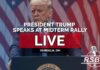
Media outlets placed these renaming lines inside a broader Trump speech pattern that blends showmanship, nationalism, and identity politics. Reports say the comments were framed as signs of strength and ownership in strategic places, often set against rivals and critics. The proposals produced quick shares and clips online, which amplified the message. The pattern is familiar: a short, sticky phrase moves from the podium to the feed, then into days of debate and punchy headlines.
How Federal Naming Authority Actually Works
Federal naming changes on maps and documents usually go through the United States Board on Geographic Names, which standardizes names for federal use after receiving proposals and weighing input. The Board’s authority applies to names under United States jurisdiction and in federal usage. It does not decide international naming beyond federal documents. That is why renaming an international strait would face hard limits, while domestic names can change on federal products after set steps.
During Trump’s presidency, the White House also used executive orders to steer naming policy for federal use, including guidance that affected well-known features like the Gulf of Mexico and the mountain long known as Denali, underscoring how presidents can shape labels seen on federal platforms. Experts note that countries can call features by different names within their own systems, but that does not bind other nations or global bodies to follow suit. That split between domestic usage and global practice often fuels political friction and viral debate.
Why The Naming Fight Resonates Across Parties
Place names carry symbolic power because they signal who holds authority and whose story defines the map. Trump’s proposals tied naming to control, status, and national pride, themes that both energize supporters and provoke critics. Many Americans, right and left, already feel elites in Washington play branding games while daily costs, border pressure, and safety concerns go unsolved. A fight over names can look like politics first and problem-solving second, which deepens that frustration.
Trump teases renaming Strait of Hormuz as the ‘Trump Strait’ in RNC address https://t.co/OtPNv1JItH
— USA TODAY Politics (@usatodayDC) September 10, 2026
For conservatives over 40, the appeal can be about pushing back on globalism and asserting American strength. For liberals over 40, the worry can be about exclusion and distraction from social needs. Yet both groups share a sense that the federal process too often serves public relations over results. The federal naming pathway, with its boards, orders, and media cycles, becomes a stage for power, not service. That is why a two-word label can dominate the news while everyday challenges persist.
Sources:
youtube.com, nine.com.au, transcripts.cnn.com, congress.gov, voiceofemirates.com, cnbc.com, cnn.com
© dailyanswer.org 2026. All rights reserved.