
(DailyAnswer.org) – A new blockade policy threatens to spike U.S. gas prices, raising concerns among American consumers.
Story Highlights
- Trump’s administration seizes Venezuelan oil tankers to pressure Maduro regime.
- Gas prices in the U.S. potentially impacted by reduced oil supply.
- Venezuelan President Maduro pledges to defy U.S. blockade threats.
- Market reacts with a 3% spike in oil prices post-announcement.
- Trump officials address public concerns over rising fuel costs.
Venezuela Blockade: An Aggressive Strategy
The Trump administration has significantly escalated its pressure campaign on Venezuela by seizing oil tankers and threatening a naval blockade. This move is part of a broader geopolitical strategy to apply maximum pressure on President Nicolás Maduro’s regime, which the U.S. has accused of human rights violations and undermining democracy. By physically intercepting Venezuelan oil shipments, the administration aims to cut off a critical revenue stream for Maduro, thereby intensifying efforts for regime change.
Trump’s decision to employ military resources in enforcing the blockade speaks volumes about the administration’s determination to make a substantial impact. The U.S. Navy’s involvement signals a shift from traditional sanctions to direct military enforcement, showcasing a robust stance that aligns with the administration’s “America First” policy. However, this aggressive approach has prompted concerns about potential repercussions on domestic gas prices, as Venezuelan oil plays a role in global supply chains.
Economic Repercussions and Domestic Concerns
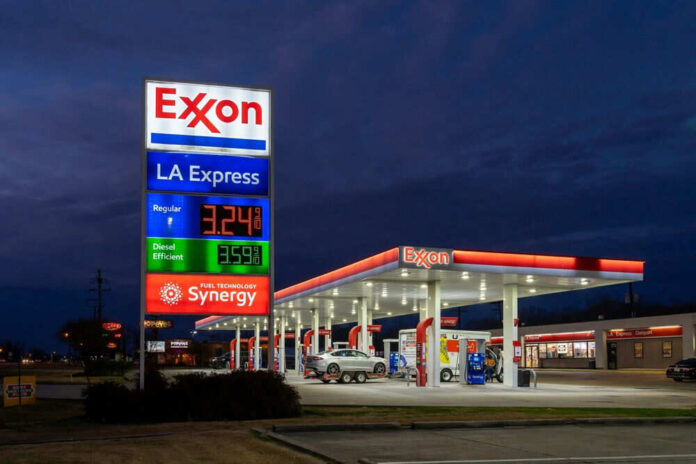
The impact of the blockade threat on the oil market was immediate, with prices jumping by approximately 3% following the announcement. This reflects traders’ belief in the credibility of the blockade and the potential reduction in Venezuelan oil supply reaching global markets. For American consumers, the primary concern is the prospect of rising gas prices, which could be exacerbated by this disruption in the oil supply chain.
Administration officials have been quick to address these concerns, emphasizing efforts to mitigate any adverse effects on the U.S. economy. They have assured the public that alternative oil supplies are being considered to stabilize prices and prevent significant economic disruption. The administration’s proactive communication strategy underscores the delicate balance between pursuing foreign policy goals and managing domestic economic stability.
Maduro’s Defiant Stance and Future Implications
In response to the U.S. blockade threat, President Maduro has remained defiant, pledging to continue oil exports and asserting Venezuela’s right to trade. This challenges the U.S. blockade, though it remains uncertain if Venezuela can effectively counter the U.S. Navy’s formidable presence. The ongoing enforcement of the blockade, marked by the recent seizure of a second tanker, suggests a sustained U.S. commitment to its strategy.
The long-term implications of this strategy could be significant, influencing not only U.S.-Venezuela relations but also broader geopolitical dynamics. Sustained pressure could lead to increased instability in Venezuela, with potential humanitarian consequences. Additionally, the U.S.’s assertive stance may prompt other oil-producing nations to reconsider their diplomatic and economic relationships with America.
Copyright 2025, DailyAnswer.org