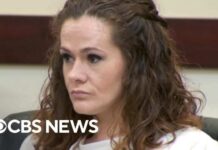

A 73-year-old Alaska counselor admitted she posed as a licensed social worker and billed veterans’ care for more than $2 million, exposing a basic guardrail failure in the system that pays community providers.
Story Snapshot
- Marianne Rolland pleaded guilty to health care fraud tied to Veterans Health Administration claims.
- Prosecutors say she posed as a licensed clinical social worker to win approval and bill for services.
- The Department of Veterans Affairs Office of Inspector General says these schemes are a recurring risk.
- Federal oversight reports show hundreds of active fraud probes across health programs,.
What The Defendant Admitted And How The Scheme Worked
The United States Attorney’s Office for the District of Alaska said Marianne Rolland, 73, pleaded guilty to health care fraud. Prosecutors said she falsely presented herself as a licensed clinical social worker, then billed the Veterans Health Administration for mental health services that required that license. The office put the loss figure at more than $2 million. The plea covers conduct between 2020 and early 2026, according to the release.
A local news account said her plea deal described a higher billing total, about $2.7 million, and noted Alaska denied her a license in 2005. That outlet reported she owned a counseling business and used that status to route claims through the system. The federal filing controls the legal outcome, but the local details help show how the fraud could pass as normal care until investigators stepped in.
Why Community Care Is A Target And What Oversight Found
The Department of Veterans Affairs Office of Inspector General describes community provider fraud as lying about who gave care, what was done, where it happened, or whether rules were met, all to get paid. The office says these cases are not rare. Its fraud watch updates have logged large numbers of open probes and referrals in recent months, showing a sustained workload for investigators across the country.
One monthly report from July 2026 listed 1,772 ongoing fraud investigations and 775 referrals. Those figures cut across health, benefits, and other programs, but they show scale. High counts do not mean most providers cheat. They do show many tips and complex reviews that take time to close. The Rolland plea now moves one of those probes into the penalty phase and possible restitution.
How This Fits Into National Health Care Fraud Enforcement
A federal health care fraud and abuse report for fiscal year 2023 counted 406 defendants who allegedly billed federal health programs and private insurers about $3.9 billion. That number reflects detected and charged schemes, not a rate for the whole field. Still, it shows why fraud teams focus on billing that exploits trust, short staffing, or weak checks in fast-growing payment streams like community care for veterans.
The Supreme Court’s ruling in Universal Health Services v. United States ex rel. Escobar said a claim can be false if the provider makes specific statements about services but hides important rule violations. Billing for therapy that requires a license, while hiding that you lack one, is a classic fit for that rule. The law backs recovery of taxpayer money and civil or criminal penalties when the conduct meets those tests.
What It Means For Veterans, Taxpayers, And Next Steps
Veterans rely on community providers when Department of Veterans Affairs clinics are far away or booked. When a fake credential slips through, veterans can get poor or unsafe care, and taxpayers foot the bill. Oversight reports show the Department of Veterans Affairs and the Federal Bureau of Investigation work these cases together. The plea confirms the facts for court, but sentencing, restitution, and any ban from federal programs will follow in separate steps.
For readers tired of waste and weak guardrails, this case shows why better checks matter before the first dollar goes out. Simple fixes can help: confirm licenses in real time, flag claims that overuse a single code, and run audits when one provider bills far above peers. Those steps cut fraud without slowing honest care. Veterans deserve fast help from trusted hands, and the public deserves a system that spends with care.
Sources:
townhall.com, justice.gov, alaskanews.com, linkedin.com, vaoig.gov
© dailyanswer.org 2026. All rights reserved.