

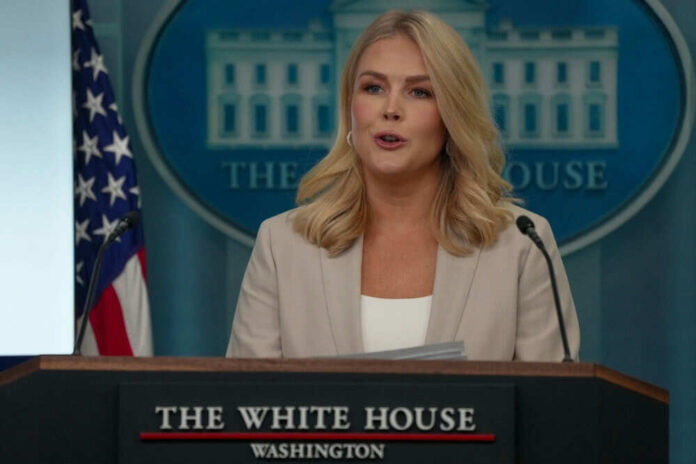
(DailyAnswer.org) – Permanent job loss, not just a temporary setback, now looms as Congress faces an unprecedented ultimatum from the White House: pass a spending bill, or watch federal agencies prepare for mass layoffs that could reshape government as we know it.
Story Snapshot
- The White House’s OMB memo breaks tradition by instructing agencies to prepare for permanent layoffs, not just furloughs.
- Federal programs and workers lacking mandatory funding face immediate, lasting cuts if Congress misses the September 30 deadline.
- The memo signals a new pressure tactic in partisan budget negotiations, with Democrats and unions bracing for battle.
- About 154,000 federal jobs are at risk, sparking economic, legal, and political repercussions across the country.
Federal Workforce Faces Permanent Threat: Beyond Furloughs
The Office of Management and Budget’s memo to federal agencies, delivered on September 24-25, marks a dramatic shift in how Washington handles government shutdowns. Historically, shutdowns meant temporary furloughs, with workers returning to their posts once funding resumed. Now, the Trump administration is using the specter of mass layoffs as a negotiating weapon, requiring agencies to draft reduction-in-force plans that could erase thousands of positions for good. The urgency is not theoretical: by September 30, if Congress fails to reach a budget deal, programs without mandatory appropriations will bear the brunt of this new approach, and some federal workers will not return at all.
About 154,000 federal employees could vanish from the payroll, many forced out through buyouts, a move that threatens the livelihoods of families and the stability of American communities reliant on government support. This isn’t just a bureaucratic shuffle, it’s the first time a White House has openly framed a shutdown as an opportunity to remake the government workforce, aligning staff and services with the President’s priorities rather than the nation’s traditions of continuity and service. The memo’s language is clear: agencies must identify staff and programs at risk, and prepare for layoffs that could be permanent, not just a temporary inconvenience.
Political Brinkmanship and the Battle for Government’s Soul
The pressure campaign is as much about politics as policy. The administration is wielding the threat of layoffs to force congressional Democrats into a corner, painting resistance to budget cuts as a defense of inefficiency and bloat. Senator Chuck Schumer and other Democratic leaders have condemned the memo as an intimidation tactic, predicting legal challenges and court battles if agencies attempt mass firings under the guise of a shutdown. Unions representing federal workers are rallying their members, warning that the loss of institutional knowledge and critical skills could cripple essential services for years to come.
Negotiations are tense and public statements from both sides grow sharper by the day. The OMB insists that only programs lacking mandatory appropriations will be affected, but critics argue the move risks politicizing the federal workforce and destabilizing agencies that underpin the nation’s infrastructure. Congressional leaders, particularly those controlling the purse strings, now wield immense power: a single vote could mean the difference between stability and chaos for hundreds of thousands of workers and the communities they serve.
Economic Reverberations and Legal Uncertainties
The short-term consequences are stark: thousands of federal workers could lose their income overnight, local economies dependent on government spending may stumble, and vital services from passport processing to disaster relief could grind to a halt. The ripple effects extend beyond those receiving pink slips; contractors, small businesses, and families nationwide feel the tremors. The long-term prospects are equally fraught, legal scholars predict courts may intervene, potentially reinstating dismissed workers if layoffs are deemed unlawful or politically motivated.
Some industry analysts argue the federal workforce is overdue for streamlining, citing inefficiencies and cost overruns. Yet the abruptness and scale of the proposed cuts raise alarms among experts in labor and public administration, who caution that losing experienced staff undermines government effectiveness and institutional memory. The debate isn’t just about numbers, it’s about the soul and function of government in an era of deep division and distrust.
Copyright 2025, DailyAnswer.org