
(DailyAnswer.org) – Gas prices are surging because Washington is now fighting another Middle East war—and the White House is turning to a short-term regulatory waiver to keep voters from feeling the full cost at the pump.
Quick Take
- The Trump administration’s EPA issued a temporary waiver expanding summer sales of E15 gasoline to ease price spikes tied to the Iran conflict.
- The waiver starts May 1, lasts 20 days, and can be extended; it bypasses typical summer restrictions aimed at reducing smog-forming emissions.
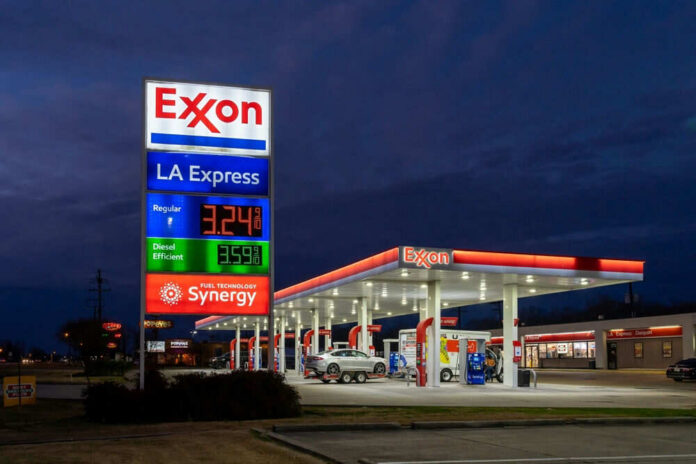
- National gasoline prices climbed more than 30% in about a month to roughly $3.98 per gallon as crude rose above $100 a barrel.
- Refiners and retailers could see modest cost relief, while analysts cited potential savings of “several cents per gallon” for drivers.
EPA’s E15 waiver: a fast lever to pull when war hits wallets
The Environmental Protection Agency announced March 25 that it will temporarily waive summer rules to allow expanded sales of E15 gasoline, a 15% ethanol blend, during the early part of the summer driving season. The waiver takes effect May 1 for 20 days and can be extended. The stated goal is to reduce pump prices that have jumped as the U.S./Israeli conflict with Iran disrupts energy markets and pushes crude prices higher.
The timing matters because refiners typically switch to costlier “summer blend” gasoline ahead of warmer months, when regulations tighten to reduce smog. By loosening those requirements—particularly for E15, which faces restrictions in many areas during summer—the administration is trying to avoid an additional seasonal price bump landing on top of war-driven volatility. The administration’s move aligns with earlier reporting that officials were preparing broader relief through fuel-rule waivers.
Why E15 gets restricted in summer—and what the waiver changes
Summer gasoline rules stem from Clean Air Act requirements intended to reduce smog by limiting gasoline volatility, commonly measured through Reid Vapor Pressure standards. E15 can face seasonal limits in various markets because higher volatility can increase evaporative emissions during hot weather. The new waiver temporarily sidesteps those constraints to widen E15 availability. Supporters view that as a practical way to increase supply flexibility when prices jump quickly.
The tradeoff is straightforward: consumers may get modest near-term relief, while regulators accept higher smog risk in certain conditions. The available reporting does not quantify how much additional pollution could occur, nor does it provide city-by-city environmental impact estimates. What is clear is the administration is prioritizing immediate affordability during a wartime price spike. For voters who were promised an end to “forever wars,” the fact that energy relief now hinges on emergency waivers is a bitter reminder of how quickly conflict shows up in household budgets.
$4 gasoline, $100 oil: the economic pressure behind the politics
AAA data cited in coverage put gasoline around $3.98 per gallon after a rapid rise of more than 30%—over a dollar in roughly a month—while U.S. crude moved above $100 a barrel for the first time since the Russia-Ukraine shock in 2022. Those numbers help explain why the White House is using regulatory tools to signal action. Even small per-gallon savings can matter politically when commuters and retirees feel every uptick.
Analysts quoted in the reporting described potential savings of “several cents per gallon,” which is meaningful but not a full solution. If crude stays elevated, the main driver remains global supply risk and market fear around the Iran conflict, not the fine print of fuel blending rules. That reality is fueling a new wave of right-leaning frustration: many conservatives want lower energy prices and less bureaucracy, but they also want leaders to avoid new wars that predictably raise energy costs in the first place.
Who benefits immediately: drivers, gig workers, and ethanol-state politics
Consumers are the headline beneficiaries, but the policy also serves refiners and retailers by easing a compliance and production shift that can add cost in spring. The coverage also highlighted how fast the pain is hitting the gig economy: Lyft and DoorDash rolled out limited-time fuel relief programs alongside the waiver announcement, targeting drivers facing higher operating costs. Those programs underscore that inflation isn’t just a Washington talking point—it lands directly on people trying to earn extra income.
The politics around E15 also intersect with Midwest farm and biofuel interests, which have long pushed for broader ethanol blending. The Governors Biofuels Coalition has tracked and promoted the move as part of that larger effort. Past administrations—including Trump’s earlier term and the Biden years—also relied on similar waivers during energy shocks, which shows this is becoming a familiar pattern: when geopolitics breaks the market, Washington loosens rules temporarily rather than addressing the upstream causes of instability.
What to watch next: extensions, broader waivers, and a credibility test
The waiver’s initial window is short, and the key question is whether the administration extends it or expands relief further as the summer driving season ramps up. Earlier reports indicated officials were considering waiving other summer gasoline requirements beyond E15, suggesting the policy could evolve if prices remain high. The reporting also noted international voices urging an end to the conflict as the most direct path to stabilizing energy prices—an implicit acknowledgment that subsidies and waivers can’t fully offset wartime disruption.
If you voted for him, you have only yourself to thank for this mess.
Trump waives summer gasoline regulations to ease fuel prices
Source: CBS News https://t.co/t0sJw6xlJw— Nan Palmer (@mrub22) March 25, 2026
For conservative voters, the larger issue is trust: regulatory relief is welcome, but it doesn’t erase the underlying frustration that America is again paying a “war tax” at the pump. The available sources focus on the waiver mechanics and price context, not detailed air-quality modeling or the internal debate inside the MAGA coalition. Still, the pattern is visible: when foreign policy escalates, everyday Americans lose leverage, and Washington reaches for quick fixes that may shave pennies while the strategic costs keep compounding.
Sources:
US Issues Waiver to Expand E15 Gasoline Sales to Ease Pump Prices
US poised to waive summer gasoline regulations to ease prices, sources say
US poised to waive summer gasoline regulations to ease prices, sources say
US poised to waive summer gas rules amid high prices
Copyright 2026, DailyAnswer.org