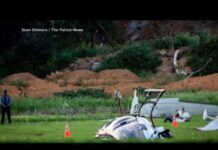

A city camera captured a Muni train operator nodding off moments before a July 31 collision, and investigators now say fatigue—not failed equipment—caused the crash.
Story Snapshot
- SFMTA’s preliminary finding points to operator fatigue, not track or train failure.
- Video shows the operator appearing to doze just before impact between two out-of-service trains.
- The operator was reassigned to non-driving duties during the investigation.
- Fatigue is a known factor in a significant share of transportation accidents nationwide.
What Investigators Found So Far
San Francisco Municipal Transportation Agency leaders said their early review ruled out mechanical and track problems in the July 31 crash near the San Francisco Zoo. The agency made a preliminary finding of operator error due to fatigue and moved the operator to a non-driving role while the formal probe continues. Local television reports aired footage showing the operator’s head dipping before the collision between two empty trains, which reduced the chance of injuries.
San Francisco news outlets reported that both light rail vehicles were out of service and sitting between trips when the rear train rolled forward and struck the one ahead. The impact shattered some glass and damaged equipment, but no passengers were on board. The incident snarled service on the L Taraval line while crews set up shuttle buses and cleared the tracks, according to the transit agency’s service alerts.
Why Fatigue Matters In Transit Safety
Federal safety reviews have long identified fatigue as a major risk across rail, bus, and trucking. A study of National Transportation Safety Board cases from 2013 to 2019 found fatigue cited in about 12 percent of investigations, showing the problem is not rare. Transportation researchers warn that shifting schedules, early starts, and long hours can dull reaction times and slow judgment, raising the odds of a mistake at exactly the wrong moment.
Transit research groups recommend fatigue risk management plans that tie scheduling, staffing, and training to how people actually sleep and work. Guidance from national transit advisors urges agencies to analyze runs, design better break patterns, and track hours awake, not just hours worked. Those steps aim to catch risk before it reaches the cab, because once an operator is drowsy at the controls, the margin for error gets very small.
The System Problem Behind A Human Error
Transit agencies often say “human error,” but experts note fatigue is usually a system symptom as much as a personal lapse. Schedules, overtime, night work, and pressure to keep service moving all shape alertness. That is why best practice focuses on data, not blame—reviewing shift patterns after incidents, tightening dispatch policies, and giving operators tools to report fatigue without fear. These changes cost money and time, but they reduce crash risk and service disruptions.
Video appears to show a San Francisco Muni driver dozing off behind the wheel moments before colliding with an oncoming train. https://t.co/ZTW2nC1mJ6
— KTVU (@KTVU) August 25, 2026
For riders, this case is another reminder that basic government services rise or fall on day-to-day management. When operators are rested and systems work, people get to work and home safely. When management cuts corners or ignores warning signs, the public pays—in delays, repairs, and shaken trust. People across the political spectrum see the same pattern: leaders praise safety, then underfund or overlook it. Accountability means fixing the conditions that let fatigue into the cab.
Sources:
nypost.com, sfchronicle.com, youtube.com, abc7news.com
© dailyanswer.org 2026. All rights reserved.