

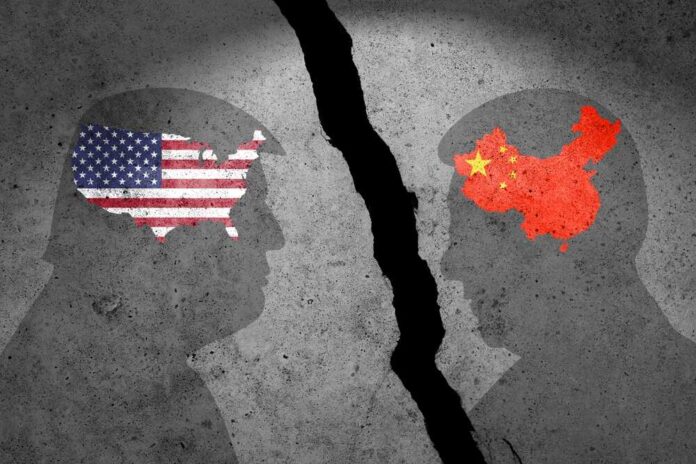
(DailyAnswer.org) – China has accused the U.S. of violating a recent trade agreement as tensions escalate over AI chip exports and rare earth minerals, leaving the future of technological exchange between the two superpowers hanging in the balance.
At a Glance
- China has vocally censured the U.S. for implementing export controls targeting AI chips bound for Chinese markets
- President Trump accused China of violating their recent trade agreement and requested a call with President Xi Jinping
- China maintains leverage in the dispute through its dominance of rare earth minerals essential for technology manufacturing
- The U.S. is considering restricting Chinese student visas, further escalating academic and technological tensions
Mounting Trade Tensions
The diplomatic relationship between the United States and China has deteriorated further as Beijing openly condemned Washington’s new export control regulations specifically targeting artificial intelligence chips destined for Chinese markets. Despite a recent agreement to lower tariffs, the conflict over technology access has intensified, with both nations taking increasingly confrontational stances. China’s strong reaction comes as the U.S. government tightens restrictions on chip technology exports while simultaneously considering limitations on Chinese student visas in technical fields.
The dispute centers on critical technology components, with China leveraging its dominant position in rare earth minerals—essential materials for manufacturing advanced electronics. This strategic advantage provides Beijing with significant bargaining power in the ongoing trade dispute, as American technology companies rely heavily on these resources for production of everything from smartphones to military equipment.
Presidential Intervention
The situation has escalated to the highest levels of government, with direct involvement from both countries’ leaders. According to recent reports, the White House has taken an aggressive stance on what it perceives as violations of trade commitments by Beijing. President Trump has publicly expressed frustration with what he views as China’s failure to honor terms of their recently negotiated trade agreement.
“President Donald Trump on Friday accused China of violating the agreement struck last month, and sought a call with his Chinese counterpart Xi Jinping to sort things out.”
The request for direct communication between the two leaders signals the seriousness of the situation, as diplomatic channels appear insufficient to resolve the growing dispute. President Trump’s attempt to engage President Xi directly reflects the administration’s urgency in addressing what it perceives as critical violations that could undermine the entire framework of U.S.-China trade relations.
Broader Implications for Tech and Education
Beyond the immediate trade dispute, the conflict has expanded to include potential restrictions on academic exchange. The Biden administration is reportedly considering canceling student visas for Chinese nationals studying in fields related to advanced technology and artificial intelligence. This move would represent a significant escalation, potentially affecting thousands of Chinese students currently enrolled in American universities and research institutions.
The technology restrictions specifically target AI chips and design applications that could enhance China’s technological capabilities. U.S. officials have expressed concerns that unrestricted access to cutting-edge American technology could strengthen China’s military and surveillance capabilities. Meanwhile, China views these restrictions as an attempt to contain its technological advancement and economic growth, further fueling nationalist sentiment within the country.
Strategic Advantages in the Dispute
China appears to hold several strategic advantages in this confrontation. Its near-monopoly on rare earth processing gives it significant leverage, as these materials are crucial components in everything from electric vehicles to missile guidance systems. Despite U.S. efforts to develop alternative supply chains, China’s dominance in this sector remains unchallenged in the short term, providing Beijing with powerful economic leverage.
The international community is closely watching this escalation, with many nations concerned about potential disruptions to global supply chains and technology markets. The outcome of this dispute could reshape technological cooperation and competition between the world’s two largest economies for years to come, with far-reaching implications for global innovation, security, and economic growth.
Copyright 2025, DailyAnswer.org