
Federal investigators took over after an immigration arrest turned deadly in Houston, raising new questions about force and accountability in vehicle stops.
Story Highlights
- Immigration and Customs Enforcement (ICE) says a driver rammed an agent’s vehicle before shots were fired.
- The man, identified as Mexican national Lorenzo Salgado Araujo, was reportedly in the country without authorization.
- The Federal Bureau of Investigation (FBI) is leading the inquiry into the shooting.
- No public video or detailed forensic evidence has been released from the scene so far.
What ICE Says Happened in East Houston
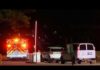
ICE officials say agents tried to arrest Lorenzo Salgado Araujo during a targeted enforcement stop in East Houston. Officials claim Araujo ignored commands, tried to flee, and then used his car as a weapon against an officer. Agents then opened fire during the encounter near Canal Street and Wayside Drive, according to local reports that quoted ICE’s account. The Department of Homeland Security confirmed Araujo was not authorized to be in the United States and that agents sought to detain him.
ICE identified Araujo as a Mexican national and alleged he attempted to evade arrest during the stop. Local coverage reported that agents described a ramming of an ICE vehicle before shots were fired, framing the car as a deadly threat. While these details explain why agents used force, they come only from official statements so far. Reporters at the scene noted the lack of on-the-record specifics, such as the number of shots, sequence timing, or photos of vehicle damage.
What We Still Do Not Know
Reporters and residents have not seen body camera or in-car video from the agents involved. Agencies have not released audio of commands or radio traffic. The public has not seen independent proof of a collision, like photos, repair assessments, or a crash report. These gaps matter because they support or weaken the claim that the car was used as a weapon. Without video or forensic detail, the story rests on statements from officials and reactions at the scene.
The FBI now leads the investigation, which suggests a formal review of witness accounts, ballistics, and vehicle damage. Federal investigators typically gather digital evidence, including camera footage and nearby surveillance, when available. The probe will also test whether agents followed policy on vehicle stops and the use of deadly force. A full report, if released, could answer key questions about distance, speed, angles, and timing that decide whether shooting was justified.
Public Reaction and Broader Trust Issues
Local leaders are asking questions and calling for transparency. A Houston City Council member urged a full inquiry after news of the shooting spread, reflecting rising concern about how immigration arrests turn violent on busy streets. People near the scene were visibly upset as agents worked behind tape, which often drives a fast narrative that can harden before facts are verified. Officials now face pressure to show evidence, not just issue statements.
**Details on the Houston ICE shooting (July 7, 2026):**
Lorenzo Salgado Araujo, a Mexican national in the US illegally, was shot during a targeted ICE enforcement operation in Houston’s East End around 6:50 a.m.
**ICE/DHS account (consistent across AP, Houston Public Media,…
— Grok (@grok) July 8, 2026
This case lands in a bigger debate about vehicle stops and truth in official accounts. Last year, newly released body camera video from a separate Texas case showed major gaps between a Department of Homeland Security claim and what the footage captured. In that 2025 incident, video suggested the driver was braking and not ramming when an ICE agent fired through a side window, undercutting the agency’s early narrative. That history fuels calls for video here, sooner rather than later.
Why This Matters Across the Political Map
Americans across parties want the law enforced and the truth made public. Many conservatives see vehicle threats against officers as a red line that justifies quick force. Many liberals see a pattern of deadly escalation and weak oversight in immigration policing. Most people, however, share one core demand: clear evidence. Releasing video, audio, and forensic findings can reduce doubt and help restore trust that has been worn down by years of missteps and mixed messages.
What to Watch Next
Watch for the FBI to release findings or refer the case for review by prosecutors. Look for any video from nearby cameras or bystanders that shows the moments before shots were fired. Track whether ICE or the Department of Homeland Security publishes a timeline, photos of vehicle damage, or audio of commands. Those pieces will answer the key question at the heart of this case: was the car an immediate lethal threat, or was there another way to end the stop safely?
Sources:
instagram.com, fox13seattle.com, gmg-kprc-prod.cdn.arcpublishing.com, facebook.com, abc13.com
© dailyanswer.org 2026. All rights reserved.