
(DailyAnswer.org) – A new military intervention in Venezuela raises questions about U.S. intentions, echoing past actions in Panama and sparking conservative outrage over perceived overreach.
Story Overview
- The recent U.S. military operation in Venezuela echoes the 1989 Panama invasion.
- Critics argue the war on drugs narrative masks broader geopolitical motives.
- Conservatives express concerns about sovereignty and government overreach.
- Questions arise regarding the true impact on drug trafficking.
U.S. Intervention in Venezuela: A Paralleling Strategy
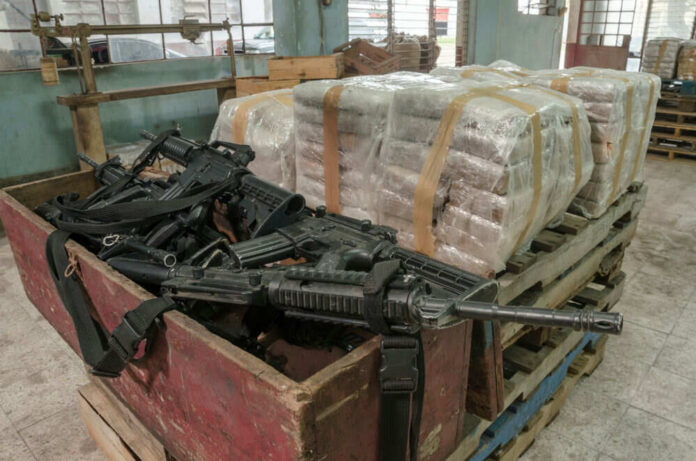
On January 3, 2026, the United States launched Operation “Absolute Resolve,” capturing Venezuelan President Nicolás Maduro and his wife Cilia Flores on federal narcoterrorism and cocaine-trafficking charges. This operation draws explicit comparisons to the 1989 invasion of Panama, where U.S. forces arrested Manuel Noriega. Both cases highlight the use of drug-related indictments as a pretext for significant military interventions aimed at regime change.
The U.S. has consistently used the war on drugs as a rationale for interventions in Latin America, often intertwining anti-drug efforts with geopolitical strategies. In Venezuela’s case, the operation follows years of deteriorating relations with the U.S., framed by accusations of Maduro’s ties to narcoterrorism and criminal networks. This narrative has provided justification for increased military presence in the Caribbean, bolstering regional security efforts.
Historical Context: From Panama to Venezuela
The U.S. war on drugs dates back to the 1970s, under President Richard Nixon’s administration, declaring drug abuse as a major national security threat. Over the decades, this narrative evolved, often serving as a platform for military interventions and regime-change efforts in Latin America. Panama’s 1989 invasion, justified by drugs charges against Noriega, set a precedent for such actions.
Similarly, Plan Colombia in the late 1990s merged counter-drug and counter-insurgency initiatives, highlighting how drug policies can serve broader strategic interests. Critics argue these efforts have often prioritized military and economic objectives over genuine drug reduction, leading to persistent trafficking and displacement of coca cultivation.
Implications and Conservative Concerns
The recent operation in Venezuela raises significant concerns among conservatives about U.S. sovereignty and the overreach of government power. While the official narrative focuses on narcoterrorism, there is skepticism regarding the true motives behind these interventions, with fears that they serve broader geopolitical aims rather than addressing drug trafficking effectively.
This operation has reignited debates on the legality and ethics of cross-border interventions, with conservatives advocating for a focus on domestic issues, including fiscal management and constitutional rights. The long-term impact on drug trafficking remains uncertain, with historical patterns suggesting potential adaptation rather than eradication of drug routes.
Sources:
U.S. “War on Drugs” Background
U.S. Acts of Aggression in Latin America Timeline
U.S. Military Ramp-up in the Caribbean Raises Tensions with Venezuela
A Tale of Two Interventions: Venezuela and Panama
Copyright 2026, DailyAnswer.org