
A Los Angeles judge has ruled that indie singer D4vd must stand trial after a 14-year-old fan’s dismembered body was found in the front trunk of his impounded Tesla.
Story Snapshot
- A judge found there is enough evidence for singer David Anthony Burke, known as D4vd, to face a full murder trial.
- Prosecutors say 14-year-old Celeste Rivas Hernandez was killed, dismembered, and left in two bags in the front trunk of Burke’s Tesla.
- The case rests heavily on digital records, purchases of alleged disposal tools, and sexual abuse evidence, not eyewitness video of the killing.
- The ruling highlights how high-profile cases and shocking forensic details can shape public opinion long before any jury verdict.
Judge Clears Case for Trial After Grisly Preliminary Hearing
A Los Angeles Superior Court judge has ruled that singer David Anthony Burke, known as D4vd, will stand trial for first-degree murder, continuous sexual abuse of a child under 14, and mutilation of human remains. The ruling came after a multi-day preliminary hearing where prosecutors laid out graphic evidence and a tight timeline of Celeste Rivas Hernandez’s death. This hearing did not decide guilt. It only answered a lower question: is there enough evidence to move forward.
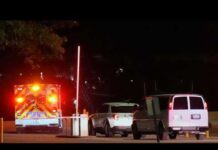
Prosecutors say Celeste, a 14-year-old fan, went to Burke’s Hollywood home in April 2025 and was never seen alive again. Months later, workers at a Los Angeles tow yard noticed a strong odor from an abandoned Tesla registered to Burke and called police. Officers testified that they found Celeste’s decomposed, dismembered remains in two bags in the car’s front trunk, often called the “frunk.” That discovery turned a missing child report into a homicide investigation focused on a rising music star.
What Prosecutors Say Happened to Celeste
The Los Angeles County District Attorney’s office says Burke murdered Celeste after she threatened to expose their secret sexual relationship and ruin his career. Prosecutors allege he stabbed her multiple times, watched her bleed, then moved her body to his garage. In court filings, they claim he ordered a shovel, chainsaws, a body bag, heavy-duty laundry bags, and a blue inflatable pool under a fake name, then used the pool to catch blood while cutting off her limbs. These purchases form a key part of the state’s narrative of planning and cover-up.
Investigators also rely on phone data, Tesla records, and receipts to build a step-by-step timeline of Celeste’s last hours. They say digital logs show Burke’s car movements, online orders of alleged disposal tools, and communications with Celeste around the time she disappeared. On top of the murder claim, prosecutors charge Burke with repeated sexual acts with Celeste starting when she was under 14, pointing to images and messages they say document ongoing abuse. Together, these elements paint a picture of exploitation, violence, and an effort to hide both.
Defense Challenges Evidence Gaps and Autopsy Limits
Burke has pleaded not guilty to all charges and remains in custody without bail while awaiting trial. His defense team does not deny that Celeste’s body was found in his car, but they cast doubt on how clearly science can explain what happened. The medical examiner told the court that advanced decomposition made it “extremely difficult” to pinpoint the exact moment or mechanism of death and to identify a specific murder weapon. That uncertainty gives the defense room to question parts of the prosecution’s story.
Court reporting also notes that two chainsaws recovered from Burke’s property reportedly tested negative for blood, and the alleged primary cutting tool has not been found. Defense lawyers have complained about evidence handling, including the disposal of the original body bag, which they say weakens the chain of custody and raises questions about contamination. There is no public report of any eyewitness or video showing the killing itself; much of the case is built from digital traces and forensic inferences rather than direct footage. The full trial will test how solid those inferences are.
“Trial by Headline” and Deeper Public Fears
This case lands in a country already skeptical of powerful people and government systems. Many Americans across the political spectrum feel the justice system bends more for the famous and well-connected than for ordinary families. A celebrity singer charged with abusing and killing a child, then getting a careful, drawn-out process, can deepen those fears. At the same time, the government’s job here is to prove its case fairly, using evidence, not anger, and that takes time many grieving families find hard to accept.
Way cleared for pop singer D4vd to stand trial on murder, mutilation charges https://t.co/DlI8qgNKam https://t.co/DlI8qgNKam
— Reuters (@Reuters) July 28, 2026
The preliminary hearing shows how easily shocking details can blur the line between “probable cause” and “proven guilt” in the public mind. Graphic autopsy photos, talk of chainsaws and body bags, and viral clips from court are now spread online in seconds. People see headlines and assume the system has already decided. But by law, Burke is still presumed innocent until a jury hears every witness and weighs every exhibit. For citizens wary of both elites and government failure, watching whether this process stays careful and honest will be as important as any verdict.
Sources:
youtube.com, abc7.com, bbc.com, abc7chicago.com, usnews.com, en.wikipedia.org, da.lacounty.gov, cnn.com, instagram.com
© dailyanswer.org 2026. All rights reserved.