(DailyAnswer.org) – The “No Kings” protests are making waves, sparking fierce responses from both sides of the political spectrum.
Story Overview
- White House dismisses “No Kings” protests as a “joke.”
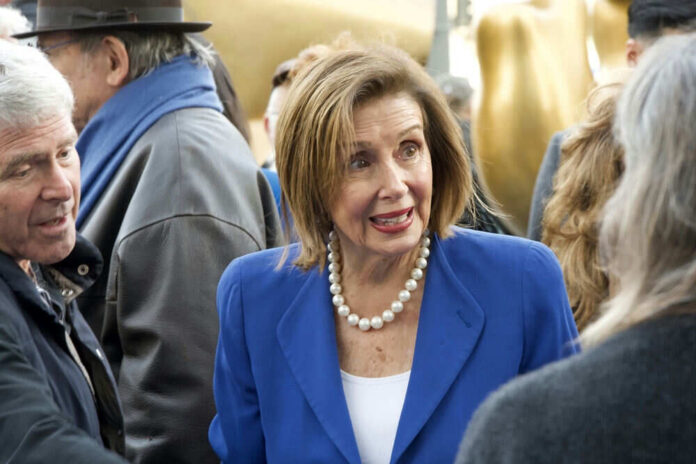
- Nancy Pelosi symbolically rips a crown in defiance.
- Protesters accused of “protesting democracy” by some commentators.
- Donald Trump responds, rejecting “king” accusations.
White House Dismisses Protests
The White House has minimized the significance of the “No Kings” protests, labeling them as a “joke.” This characterization suggests an attempt to downplay the movement’s impact and disarm its political potency. The protests, which have drawn significant attention, are centered around perceived grievances and the symbolic rejection of monarchical power structures in American governance. However, the administration’s response indicates a strategic move to delegitimize the protests and their underlying message.
These protests have surfaced amid a politically charged atmosphere, with demonstrators taking to the streets to voice their concerns about the concentration of power in the presidency. The White House’s dismissive stance may reflect a broader political calculus, seeking to undermine the credibility of the protests by trivializing their message. This approach can also serve to galvanize supporters who view the protests as an overreaction.
Nancy Pelosi’s Symbolic Act
In a moment of symbolic defiance, Nancy Pelosi made headlines by tearing a crown. This act serves as a powerful visual metaphor, representing a rejection of the notion of unchecked power. Pelosi’s action underscores the tension between the legislative and executive branches, highlighting the ongoing struggle over the balance of power in American politics. Her gesture was aimed at reinforcing the importance of democratic principles and the need for checks and balances.
This act of defiance resonates with those who view the presidency as having overstepped its bounds. By ripping the crown, Pelosi taps into a historical narrative of resisting tyranny, a theme that has been a cornerstone of American political discourse since its inception. This theatrical gesture adds fuel to the ongoing debate about the limits of executive power.
Protesters and Their Critics
Commentator Jason Rantz has characterized the “No Kings” protesters as “protesting democracy.” This assertion implies that the movement’s goals might be at odds with democratic principles. However, the protesters themselves argue that their actions are in defense of democracy, advocating for a government that remains accountable to its citizens. This clash of interpretations highlights the complex nature of the protests and the polarized reactions they generate.
The protests have attracted both support and criticism, revealing deep divisions within the political landscape. Supporters argue that the movement is a necessary response to perceived abuses of executive power, while critics see it as an overreach that undermines democratic governance. As the protests continue, the debate over their intentions and implications remains heated.
Trump’s Response
Former President Donald Trump has responded to the “No Kings” protests by rejecting accusations of aspiring to monarchical power. Trump has consistently positioned himself as a champion of the people, framing his leadership as a defense against what he perceives as radical attempts to undermine his presidency. His response underscores the contentious nature of the protests and the broader political narrative surrounding them.
Trump’s dismissal of the protests as a “joke” aligns with his broader strategy of countering criticism by questioning the legitimacy of his opponents. By framing the protests in this manner, he seeks to rally his supporters and reinforce his narrative of being under siege by political adversaries. As the protests gain traction, the ongoing dialogue between protestors and political figures like Trump continues to shape the national conversation.
Copyright 2025, DailyAnswer.org