
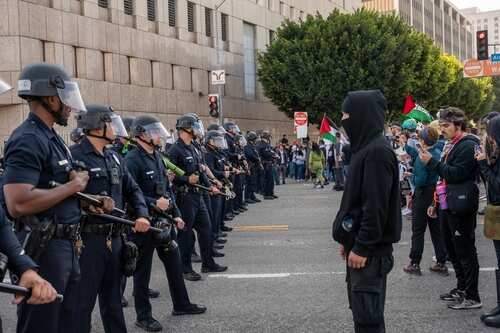
(DailyAnswer.org) – What happens when the world’s most controversial immigration crackdown meets an unprecedented military presence on the streets of Los Angeles, and then, almost as quickly, vanishes into the rearview mirror?
Quick Take
- The Pentagon abruptly withdrew 1,350 National Guard troops from Los Angeles, leaving just 250 after anti-ICE protests fizzled out.
- The massive deployment, nearly 5,000 troops and Marines, sparked fierce legal and political resistance from California’s top leaders.
- Protests and pushback set the stage for a high-stakes clash over federal versus state authority, with ripples for future military deployments.
- The episode has left lingering questions about the true role of the military in civil unrest, the future of immigration enforcement, and the price of political theater.
Pentagon Pullback: A Show of Force and a Swift Retreat
There are moments in American history when the line between policing and military intervention blurs, and the summer of 2025 in Los Angeles will stand as a textbook example. On June 7, the Pentagon ordered 2,000 National Guard troops into Los Angeles, responding to swelling protests against aggressive Immigration and Customs Enforcement (ICE) raids. Two days later, 700 active-duty Marines from Twentynine Palms joined the ranks. By mid-June, the city looked less like a haven for activism and more like a city under siege, with nearly 5,000 troops and Marines stationed to “protect federal property and personnel.”
Trump admin ends deployment of additional National Guard troops to Los Angeles https://t.co/7lBzANGt23
— Fox News (@FoxNews) August 1, 2025
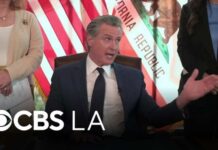
It was an extraordinary show of force, and it ignited an equally fierce backlash. Governor Gavin Newsom and Mayor Karen Bass accused the federal government of turning a civil protest into a military occupation. Legal challenges erupted, with a federal court initially siding with California, only for an appeals court to greenlight the deployment. As protest crowds dwindled in July, the federal government abruptly pulled the plug: first sending half the Guard and all Marines home, then, on July 31, withdrawing another 1,350, leaving just 250 troops behind.
Political Firestorm: State vs. Federal Authority
The battle lines were drawn not just on the streets, but in courtrooms and press conferences. Newsom and Bass argued the deployment was overkill, unnecessary, provocative, and an affront to California’s autonomy. The Pentagon, led by Defense Secretary Pete Hegseth, insisted the troops were there for one reason only: to safeguard federal workers and property from a volatile situation. Each side had its champions. Protesters and immigrant rights groups saw the military presence as a threat to civil liberties. Federal officials saw it as a necessary deterrent against potential chaos.
The courts, too, became a battleground. After an initial legal win for California, an appeals court allowed the deployment to proceed. This judicial tug-of-war set a precedent for future disputes over federal intervention in local crises. The friction revealed a deep rift between California and the Trump administration, a rift unlikely to heal soon.
The Aftermath: What Remains When the Troops Leave?
By August, the streets of Los Angeles had quieted. The protests had waned, the Marines were gone, and only a skeletal Guard force remained, tasked strictly with guarding federal facilities. The city exhaled, but the scars lingered. The cost of the deployment: $134 million. The toll on trust: immeasurable. For the National Guard and Marines, the mission became a lesson in ambiguity, many reported boredom, a lack of clear purpose, and doubts about their role in domestic affairs.
Local immigrant communities, meanwhile, were left with heightened anxiety but also a renewed sense of activism. The episode has galvanized efforts to challenge federal immigration policies and has emboldened calls for more robust sanctuary protections. Los Angeles, already a symbol of resistance, became a cautionary tale for cities nationwide wondering where the next line will be drawn between protest and militarization.
Lingering Questions: Precedent, Politics, and the Price of Theater
The legacy of the 2025 deployment is far from settled. Legal scholars and civil rights advocates warn that normalizing military intervention in civil unrest, even under the guise of protecting federal assets, erodes longstanding safeguards like the Posse Comitatus Act. Political analysts suggest the operation was more about optics and muscle-flexing than genuine necessity, especially as protests fizzled and no major threats materialized.
For policymakers, this episode is a warning shot: future crises will test the boundaries between federal and local power, and the military’s role in domestic affairs will remain a flashpoint. For the public, the question lingers: Was the price, financial, social, and political, worth what many now call “political theater”?
Copyright 2025, DailyAnswer.org