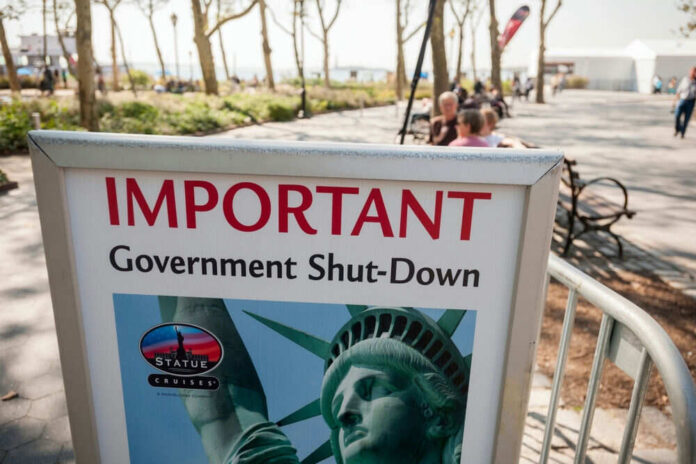
(DailyAnswer.org) – A former Trump budget director has become the architect of the most aggressive government shutdown strategy in decades, with Republican senators now openly embracing tactics that could cripple federal operations indefinitely.
Story Highlights
- Russ Vought’s Center for Renewing America is driving GOP shutdown strategy from outside Congress
- Republican senators are abandoning traditional compromise approaches in favor of hardball tactics
- The standoff threatens federal employee pay and essential government services nationwide
- Conservative leaders argue a prolonged shutdown is preferable to funding Democratic priorities
The Shadow Strategist Behind the Shutdown
Russ Vought operates from his think tank offices, yet his influence over Republican budget strategy rivals that of elected leaders. The former Office of Management and Budget Director under Trump has transformed from government insider to external agitator, crafting detailed blueprints for fiscal confrontation. His Center for Renewing America doesn’t just advocate for spending cuts; it provides senators with specific talking points and strategic frameworks designed to maximize leverage against Democrats.
Vought’s approach represents a fundamental shift in how Republicans view government shutdowns. Rather than treating them as unfortunate last resorts, his strategy embraces them as powerful tools for forcing policy concessions. This philosophical change has resonated with senators who previously showed reluctance to risk the political fallout from shuttered federal agencies.
Senate Republicans Embrace the Hard Line
The traditionally deliberative Senate has witnessed an unprecedented alignment behind Vought’s confrontational tactics. Senators Mike Lee, Ted Cruz, and Rick Scott have become vocal proponents of refusing any compromise that funds what they term “Biden’s radical agenda.” Their public statements echo Vought’s messaging with remarkable consistency, suggesting coordinated strategy development behind closed doors.
This senate backing provides crucial institutional weight to House Freedom Caucus demands. Previously, hardline House members often found themselves isolated when moderate senators sought bipartisan solutions. Now, with upper chamber conservatives amplifying shutdown threats, Speaker McCarthy faces pressure from both chambers to maintain an uncompromising stance regardless of economic consequences.
The Human Cost of Political Hardball
Federal employees across the nation brace for furloughs that could stretch indefinitely under Vought’s strategy. Unlike previous shutdowns where leaders expressed urgency to reopen government, this approach deliberately extends the pain to force Democratic capitulation. Military families face delayed paychecks, while essential services from food safety inspections to passport processing grind to a halt.
The economic ripple effects extend far beyond Washington. Defense contractors in states like Texas and California prepare for halted payments, while small businesses dependent on federal permits and approvals face operational paralysis. Moody’s Analytics warns that a prolonged shutdown could trigger credit rating downgrades, yet Vought and his allies argue these short-term costs justify long-term fiscal discipline.
Redefining Republican Budget Politics
Vought’s influence represents the institutionalization of Trump-era governance approaches within traditional Republican structures. His strategy rejects the incremental compromise that characterized previous GOP budget negotiations, instead demanding sweeping policy victories or accepting governmental paralysis. This transformation reflects broader changes in conservative politics, where confrontation increasingly trumps legislative process.
The success of this approach will likely determine Republican strategy for years to come. If Democrats ultimately cave to shutdown pressure, expect Vought’s hardball tactics to become the new baseline for fiscal negotiations. However, if the strategy backfires politically, more traditional Republicans may reassert influence over party direction. The stakes extend well beyond this single budget battle to the fundamental question of how American government functions in an era of extreme polarization.
Copyright 2025, DailyAnswer.org