
(DailyAnswer.org) – The U.S. seizure of a massive Venezuelan oil tanker has re‑ignited a decades‑long fight over sanctions, sovereignty, and American strength on the high seas.
Story Snapshot
- U.S. forces seized a very large oil tanker off Venezuela, publicly touted as the largest vessel ever taken in a sanctions case.
- Officials say the ship was moving sanctioned Venezuelan and Iranian oil, tying together two hostile regimes’ shadow networks.
- The action fits a wider Trump-era pattern of aggressive maritime enforcement and regional military buildup around Venezuela.
- Critics warn of legal gray zones and humanitarian fallout, while supporters see a necessary stand against rogue petro-dictatorships.
Trump’s Tanker Seizure and What It Signals to Rogue Regimes
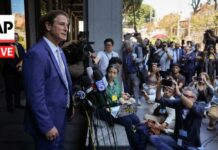
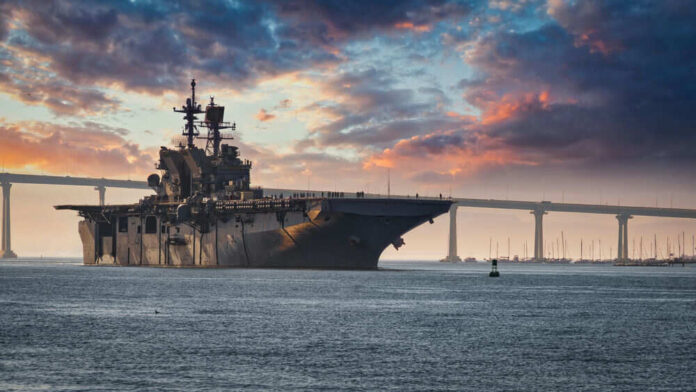
Former President Donald Trump announced that U.S. forces had just seized a very large oil tanker off the coast of Venezuela, calling it the largest vessel ever taken in such an operation. The ship, according to Florida Attorney General Pam Bondi, had been used to transport sanctioned oil tied to both Venezuela and Iran, putting it squarely in the crosshairs of U.S. sanctions enforcement. For many readers, this move underscores how adversaries try to cash in while Washington debates.
Trump’s announcement did not come in a vacuum; it was part of a broader pattern in which his administration treated Venezuelan and Iranian oil as a lifeline for hostile regimes. By publicly highlighting the seizure and stressing its unprecedented size, Trump sent a clear message to shippers, insurers, and middlemen who think they can skirt American sanctions. When Washington shows real backbone at sea, the risk calculus for anyone doing business with Caracas or Tehran changes overnight.
Venezuela’s Oil Lifeline and the Sanctions Cat‑and‑Mouse Game
Venezuela’s socialist regime has long depended on oil exports as its main source of hard currency, even as years of mismanagement and corruption hollowed out its once powerful energy sector. As U.S. sanctions targeted the state oil company, senior officials, and associated shipping, Caracas and its partners leaned on increasingly opaque schemes, from ship‑to‑ship transfers to re‑flagging tankers and hiding ownership chains. The seized vessel fits into that pattern of sanctioned crude being pushed quietly into global markets.
Iran’s involvement adds another layer, because Tehran has faced its own sweeping sanctions on energy exports and banking. Tying both Venezuelan and Iranian oil to the same tanker illustrates how isolated regimes collaborate when pushed out of normal trade. For conservatives who believe in strong, targeted pressure instead of endless foreign wars, this kind of operation demonstrates how economic and maritime tools can squeeze dictators without committing U.S. ground forces or writing blank checks from taxpayers’ wallets.
Military Muscle, Legal Questions, and Critics of U.S. Power
The tanker seizure unfolded against the backdrop of a major U.S. regional military buildup ordered under Trump, including an aircraft carrier, fighter jets, and tens of thousands of troops positioned around Venezuela. Caracas portrayed that posture as a prelude to regime change and a grab for its oil, reinforcing a familiar anti‑American narrative. Supporters of the operation, however, point out that visible military strength often deters escalation and protects U.S. personnel carrying out high‑risk maritime enforcement.
Critics, including some legal and human‑rights experts, have warned that the wider pattern of regional operations raises questions under international law. They point to more than twenty prior strikes on suspected drug vessels in nearby waters, arguing that Washington has not always shown enough public evidence to justify lethal force at sea. That debate inevitably spills over onto sanctions‑related seizures, with opponents claiming the United States is stretching its jurisdiction too far when it interdicts foreign‑flagged ships near another country’s coast.
Who Pays the Price: Dictators, Elites, or Ordinary Venezuelans?
The intended target of sanctions and seizures is Nicolás Maduro’s regime and its inner circle, which rely on oil revenue to fund security forces, patronage networks, and deals with foreign backers. By choking off clandestine exports, U.S. policy aims to raise the cost of repression and limit the cash available for military buildup and regional mischief. For conservatives wary of endless aid packages, cutting off illicit income streams offers a more accountable way to confront hostile governments.
At the same time, Venezuela’s economic collapse and isolation mean that ordinary citizens already face shortages of food, medicine, and basic goods. When a major illicit shipment is intercepted, the regime will blame Washington for the pain, even though years of socialist misrule and looting set the country on this path. Readers who watched inflation hollow out their own savings at home can recognize the pattern: politicians enrich themselves, then point fingers abroad when the bill finally comes due for their failed ideology.
What This Means for American Power, Energy, and the Rule of Law
By turning a single tanker into a public warning shot, U.S. authorities raised the stakes for global shipping companies considering Venezuelan or Iranian lifts. Higher legal and reputational risks, and possibly higher insurance premiums, make it less attractive to haul sanctioned crude in the shadows. Over time, that can reduce the pool of willing participants in these trades, amplifying the impact of sanctions without new laws or bigger bureaucracies, and reinforcing the idea that American power still matters on the world’s sea lanes.
Longer term, the seizure feeds into a broader debate about extraterritorial enforcement and freedom of navigation. Supporters view it as a legitimate response to regimes that have weaponized energy and defied international norms. Critics see a precedent that other powers could copy in ways that threaten U.S. commerce and allies. For conservatives concerned about constitutional limits and national sovereignty, the key test is whether Washington uses these tools to defend American interests, not to chase ideological crusades or fund globalist experiments.
Copyright 2025, DailyAnswer.org