
(DailyAnswer.org) – President Trump’s brazen airstrikes on Iran without congressional approval have ignited an impeachment firestorm led by AOC, exposing the deepening constitutional crisis that threatens to define his second term.
Key Takeaways
- President Trump ordered strikes on three Iranian nuclear facilities on June 21-22, 2025, without seeking congressional authorization
- Rep. Alexandria Ocasio-Cortez immediately called for Trump’s impeachment, claiming his actions violated constitutional war powers
- Trump responded with inflammatory social media posts attacking AOC rather than addressing the constitutional concerns
- Iran retaliated on June 24 with missile strikes on a U.S. base in Qatar, which Trump dismissed as “very weak”
- The controversy has reignited debates about executive war powers and presidential overreach
Trump’s Unilateral Military Action Sparks Constitutional Crisis
President Trump’s decision to launch airstrikes against three Iranian nuclear facilities without congressional approval has reignited fierce debates about executive war powers. The June 21-22 operation, which Trump declared a “spectacular military success,” deliberately bypassed the legislative branch, raising serious constitutional questions about the limits of presidential authority. While the strikes successfully damaged Iran’s nuclear infrastructure, the political fallout has been immediate and severe, with Democrats seizing on the action as evidence of executive overreach.
The president’s defenders argue that as Commander-in-Chief, Trump possesses the constitutional authority to order limited military strikes to protect national security interests. They point to precedents set by previous administrations, including Obama’s Libya intervention and Biden’s Syria strikes. However, critics contend that the scale and potential consequences of attacking Iran’s nuclear facilities represent a significant escalation that required congressional consultation under the War Powers Resolution of 1973.
AOC Leads Impeachment Charge Against Trump
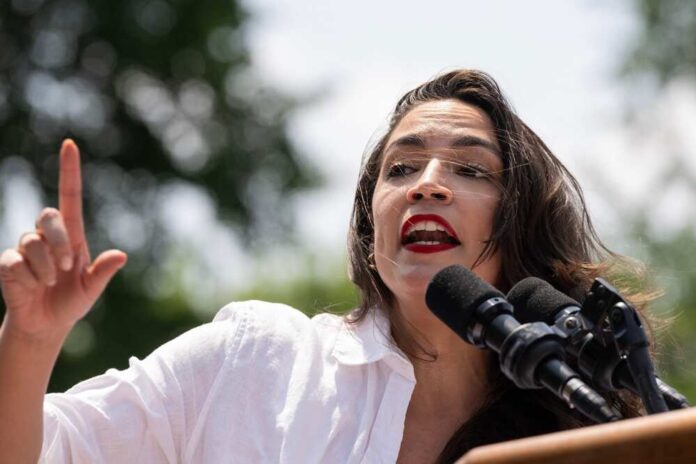
Representative Alexandria Ocasio-Cortez wasted no time in condemning Trump’s military action, explicitly calling for his impeachment within hours of the strikes. “President Trump has impulsively risked launching a war that may ensnare us for generations to come,” the New York Democrat declared. “This grave violation of the Constitution and usurpation of Congress’s war powers constitutes grounds for impeachment.” Her rapid response has galvanized progressive Democrats who have been eager to pursue impeachment since Trump’s return to office.
Other Democratic lawmakers quickly joined AOC’s impeachment crusade. Representative Sean Casten of Illinois characterized Trump’s unilateral strikes as an “unambiguous impeachable offense,” while Senator Bernie Sanders condemned the action as “grossly unconstitutional” during public rallies where crowds chanted “No more wars!” The coordinated messaging suggests Democrats had been preparing for such a moment, ready to pounce on any perceived executive overreach by the president.
Trump Unleashes Fiery Response to Impeachment Threats
President Trump responded to AOC’s impeachment calls with characteristic defiance, unleashing a series of inflammatory social media posts that attacked her personally rather than addressing the constitutional concerns she raised. The New Republic described Trump’s response as an “incoherent rant” filled with personal insults and deflections. Instead of engaging with the legal arguments about war powers, Trump focused on questioning AOC’s intelligence and patriotism, calling her “a disgrace to our country” and “an enemy of American strength.”
“AOC and her radical socialist friends would rather protect Iranian nuclear weapons than American lives,” Trump posted. “They’re weak on Iran, weak on defense, and weak on America. I struck to protect our nation while they play politics. SAD!” This combative approach has energized his base but done little to address the substantive constitutional questions at the heart of the controversy.
Iran Retaliates as Constitutional Debate Intensifies
The situation escalated further on June 24 when Iran launched a retaliatory missile strike targeting Al Udeid Air Base in Qatar, where U.S. forces are stationed. U.S. and Qatari defense systems successfully intercepted the missiles, preventing casualties. President Trump quickly downplayed the attack, calling it “very weak” and declining to announce further military action despite his earlier threats of “tragedy for Iran” if they dared to retaliate against American interests.
“Iran just fired some very weak missiles that didn’t even reach their targets. Our military is the best in the world, and they know better than to challenge the United States of America,” Trump stated. “We’ve already accomplished our mission of setting their nuclear program back years. America is safer today because of our actions.” This measured response suggests the administration may be seeking to de-escalate the military situation while continuing to fight the political battle at home.
“President Trump has impulsively risked launching a war that may ensnare us for generations to come. This grave violation of the Constitution and usurpation of Congress’s war powers constitutes grounds for impeachment,” said Representative Alexandria Ocasio-Cortez in a statement released shortly after the strikes.
Media Divide Reflects Partisan Battle Lines
The media landscape has predictably split along partisan lines in covering the controversy. Conservative outlets have framed Trump’s actions as decisive leadership against a dangerous adversary, while portraying AOC’s impeachment calls as politically motivated opportunism. Fox News highlighted statements from Republican lawmakers defending the president’s constitutional authority as Commander-in-Chief to protect American interests without congressional micromanagement.
Meanwhile, progressive networks have amplified calls for impeachment, featuring legal scholars who argue that the Constitution explicitly grants Congress, not the president, the power to declare war. This stark media divide reflects the broader political polarization that continues to define American politics. The constitutional questions raised by Trump’s unilateral military action will likely remain unresolved as both sides retreat to familiar partisan positions.
Copyright 2025, DailyAnswer.org